Star Wars
Star Wars exists because of a contract clause. In 1977 Twentieth Century Fox thought the film was a risk, so it let George Lucas trade part of his fee for the sequel and merchandising rights. Fox kept the box office; Lucas kept everything that came after, and sold it to Disney in 2012 for 4.05 billion dollars.
The clause Fox thought was worthless
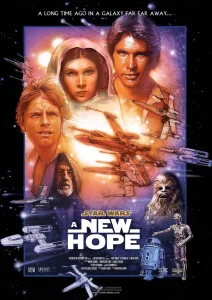
Star Wars: Episode IV - A New Hope opened in May 1977. It cost about 11 million dollars and took more than 700 million. Fox had expected so little from it that the merchandising clause looked like a cheap way to pay a young director less.
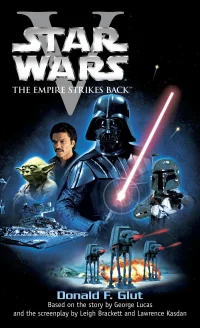
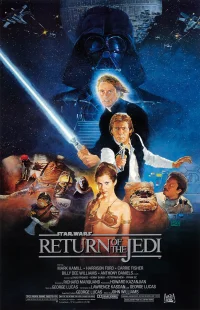
Lucas then financed The Empire Strikes Back himself and did not direct it. He hired Irvin Kershner, who had taught him at film school, and critics and fans have placed the result at the top of the saga ever since. Return of the Jedi closed the trilogy in 1983.
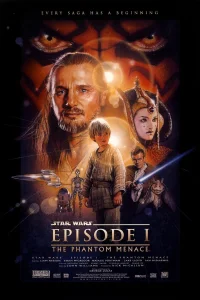
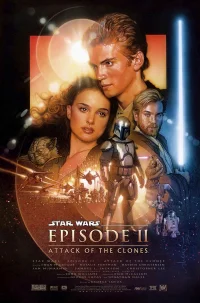
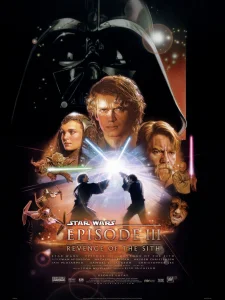
The prequels arrived sixteen years later. The Phantom Menace in 1999, Attack of the Clones in 2002, Revenge of the Sith in 2005: three films built on digital sets, sold to enormous audiences and reviewed without much warmth.
Disney pays 4.05 billion and moves the saga to television
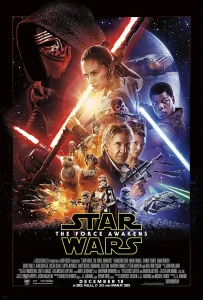
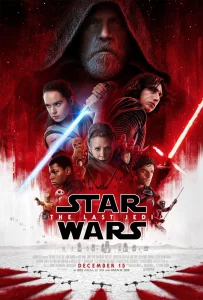
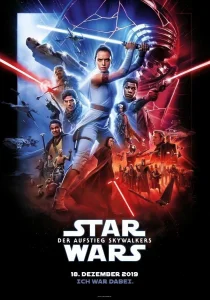
Disney bought Lucasfilm in 2012 and released The Force Awakens three years later. The Last Jedi followed in 2017 and Episode IX in 2019, three films in five years.
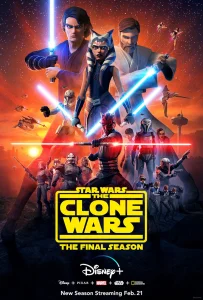
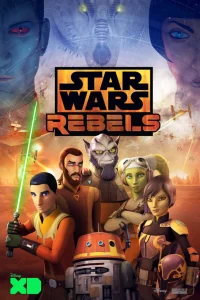
The more consequential move was elsewhere. Star Wars: The Clone Wars had been running as an animated series since 2008, and Dave Filoni used it to write the political detail the films never had room for. Star Wars: Rebels continued that work in 2014.
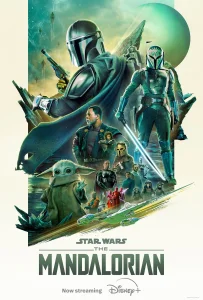
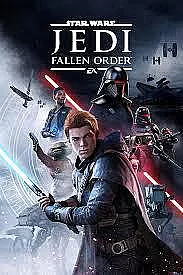
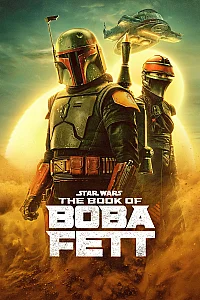
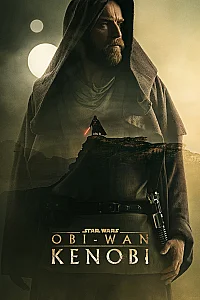
The Mandalorian launched Disney+ in 2019 and showed the saga could hold a weekly format. Obi-Wan Kenobi and Book of Boba Fett followed, then Andor in 2022. On the games side, Jedi: Fallen Order in 2019 and Jedi: Survivor in 2023 gave Star Wars its first well-reviewed single-player adventures in a decade.
The best-reviewed Star Wars is not a film
The Last Jedi scored 84 on Metacritic with the press and about 4.3 out of 10 with the site's readers. That is the widest gap in the franchise, and the argument was about what the film does to Luke Skywalker, not about how it was made.
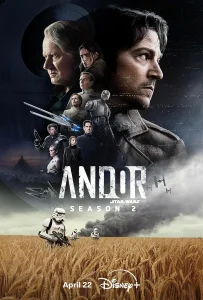
Andor went the other way. Tony Gilroy, who wrote the Bourne films, built a series with no lightsabers, no chosen one and almost no Jedi. It holds 96 on Metacritic, the highest score anything carrying the Star Wars name has ever had.
Since 2019, the best-reviewed Star Wars has been on television rather than in cinemas.
Empty boxes for Christmas 1977
Kenner could not make figures fast enough for the first Christmas, so it sold a certificate in a box and posted the toys months later. Children got an empty package, and toy licensing became the model every studio copied. Star Wars merchandise has since taken in more than 20 billion dollars, several times what the films made in cinemas.
The films changed how effects were produced too. Lucas founded Industrial Light and Magic to shoot the first one, and the company went on to work on Jurassic Park and the Marvel films. Its scanning and compositing tools became standard equipment across the industry.
The Force was invented for one adventure film in 1977. Twenty-four years later, 390 000 people wrote Jedi as their religion on the British census.
All works
No work matches this filter.