Star Trek
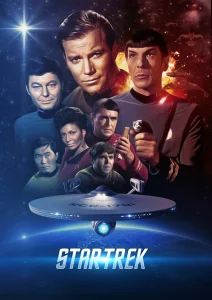
NBC cancelled it after three seasons. Star Trek returned because its viewers organised, wrote 115 000 letters and invented most of what fandom now does, and the network that dropped it in 1969 watched the reruns outperform the original broadcast.
1966: a series the network never understood
Gene Roddenberry sold Star Trek as a western in space to make it legible to executives. What went out was a weekly argument about colonialism, race and the ethics of intervention, made under a rule that the crew never uses force first.
The bridge crew included a Russian officer at the height of the Cold War and a Black woman as a senior officer. Nichelle Nichols intended to resign after the first season; Martin Luther King asked her to stay, on the grounds that the role was the first of its kind on American television.
Ratings were poor. A letter campaign secured a third season, and cancellation followed anyway in 1969.
Syndication builds the audience the broadcast never found
Reruns sold to local stations reached far more viewers than the original run. By 1972 the first convention drew thousands, and by 1976 a letter campaign had persuaded NASA to name a test shuttle Enterprise.
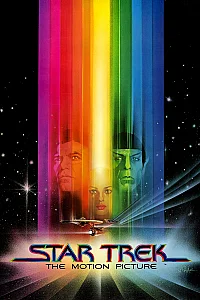
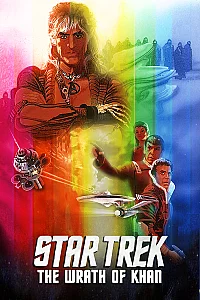
Star Trek: The Motion Picture followed in 1979, made expensive and slow because Star Wars had changed what science fiction was expected to look like. Star Trek II: The Wrath of Khan corrected it in 1982 on a much smaller budget and is still the reference point.
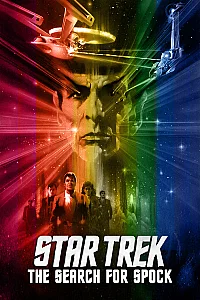
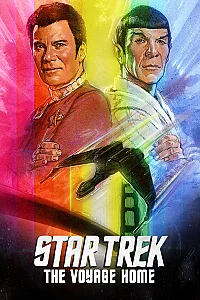
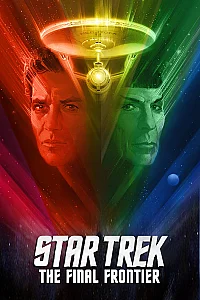
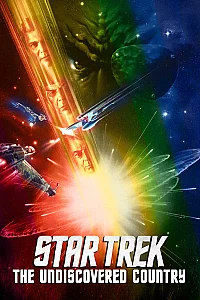
Four more films with the original cast followed through 1991, including Star Trek IV: The Voyage Home, a comedy about saving whales that outsold every Star Trek film before it.
A rule that made the writing harder on purpose
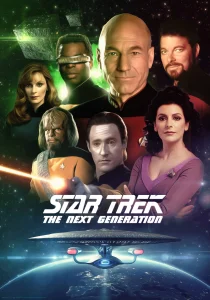
Star Trek: The Next Generation launched in 1987 directly into syndication, bypassing the networks entirely. Roddenberry imposed a constraint: the crew of the Enterprise do not have interpersonal conflict.
Writers described it as almost unworkable, and it forced the drama outward, onto the situation rather than the cast. The series ran seven seasons and is generally rated above the original.
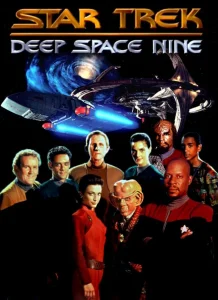
Star Trek: Deep Space Nine broke the rule in 1993. It stays in one place, runs a war across several seasons and lets its characters compromise, which at the time was heresy and is now the standard shape of prestige television.
What a fan campaign proved to television
Before Star Trek, a cancelled series was finished. Its audience demonstrated that viewers could be organised, counted and monetised, and every revival campaign since has copied the method.
The franchise now runs to more than ten series and thirteen films, and NASA has named equipment after it twice.
A show that failed commercially for three years became the longest continuous science-fiction property on television because the people watching refused to accept the decision.
All works
No work matches this filter.