Middle-earth
The languages came first. Quenya and Sindarin existed before any character did, and The Hobbit was written in 1937 partly to give them somewhere to live. Ninety years later that grammar exercise supports six films, the most expensive television series ever made and a patented video game system.
A philologist builds a world so his languages have speakers
Tolkien taught Anglo-Saxon at Oxford and had been inventing languages since his teens. He needed a history for them, and the history needed a place.
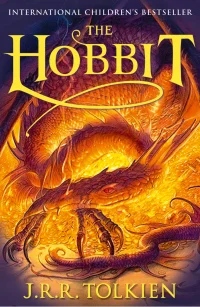
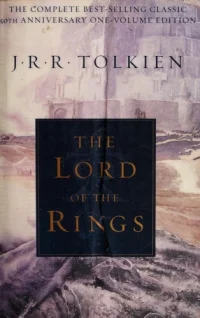
The Hobbit came out in 1937 as a children's book. The Lord of the Rings followed between 1954 and 1955, sold as three volumes because paper was expensive, which is why people still call a single novel a trilogy.
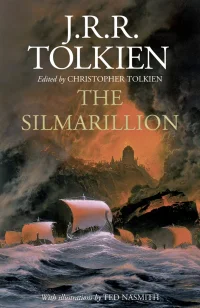
The Silmarillion was published in 1977, four years after Tolkien's death, assembled by his son Christopher from decades of drafts that contradicted each other. It reads nothing like the novels and it is where the languages actually live.
Eleven Oscars for eleven nominations
Peter Jackson shot the three films back to back in New Zealand between 1999 and 2000, a financing structure no studio had accepted for a fantasy production before.
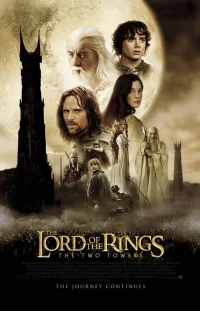
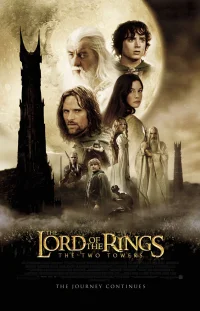
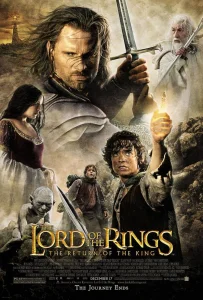
The Lord of the Rings: The Fellowship of the Ring opened in 2001. The Lord of the Rings: The Return of the King took eleven Academy Awards in 2004 from eleven nominations; no other film has won eleven and lost none.
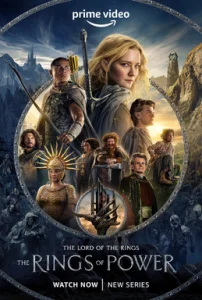
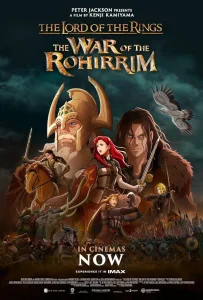
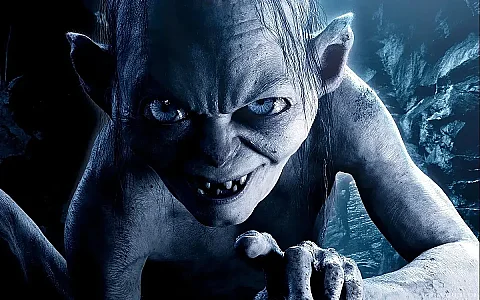
The adaptations kept coming in other shapes: The Rings of Power on Prime Video in 2022, The Lord of the Rings: The War of the Rohirrim as an animated film in 2024, and The Lord Of The Rings: The Hunt For Gollum announced for 2027 with Andy Serkis directing.
465 million dollars for the coldest reception on the site
Amazon paid 250 million dollars for the rights and spent around 465 million on the first season of The Rings of Power. No television production has cost more.
The press gave it 71 on Metacritic. Viewers gave it some of the lowest user scores the site has recorded for a major series, and the argument was about whether the show could invent events Tolkien never wrote, since Amazon licensed the novels but not The Silmarillion.
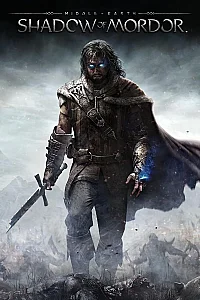
Middle Earth: Shadow of Mordor went the other way in 2014. Warner built a system that remembers which enemy killed the player and promotes them, patented it in 2021, and no other studio has been able to use it since.
The reason fantasy maps all look the same
Before 1954, fantasy did not come with appendices, family trees and a fold-out map. Tolkien supplied all three, and publishers have demanded them from every author since.
Dungeons and Dragons took his elves, dwarves and orcs almost unchanged in 1974, and from there they entered video games. The vocabulary of an Oxford philologist became the default furniture of an entire industry.
His estate has spent fifty years deciding what may be adapted and what may not. That is why a series with 465 million dollars behind it had to work around the book that explains everything.
All works
No work matches this filter.