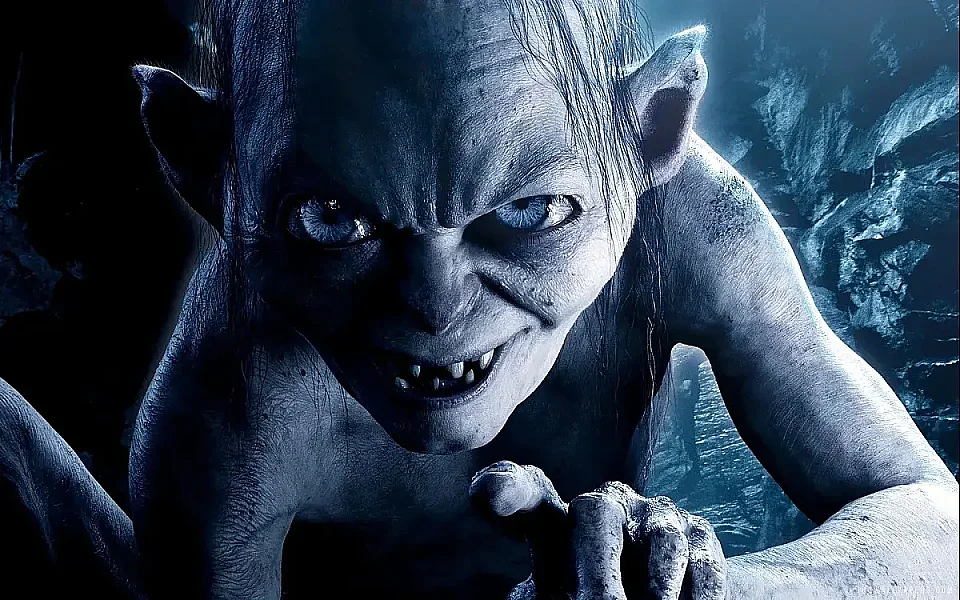
The Lord of the Rings: The Hunt for Gollum

Andy Serkis Heads Back into Middle-earth, and This Time the Hunt Smells Like Trouble
In 2027, the franchise pivots from legend to pursuit, with Andy Serkis stepping behind the camera to lead a film that promises urgency instead of postcard-epic grandeur. After years of watching Middle-earth feel mythic, this one leans into the more human terror of being tracked, cornered, and outmatched by something that learns faster than you do.
The title might sound like a footnote, but the premise treats Gollum like the epic problem he always was: a missing piece that can turn stories into weapons. Expect the kind of critical conversation that follows any Middle-earth release, especially when performance and technology team up to make a villain feel disturbingly alive.
The Pitch
The Lord of the Rings: The Hunt for Gollum follows a desperate search mission when the fallout of Gollum’s disappearance threatens to ignite fresh chaos. Our protagonists begin with a simple objective: find him before others do, and before his knowledge does real damage. But the deeper they go, the more the journey stops resembling a quest and starts behaving like a siege inside the wild. The stakes escalate from “recover a lost figure” to “prevent an unpredictable force from tipping the balance.”
Direction and Visual Universe
With Serkis at the helm, the visual signature leans harder on motion, faces, and micro-behaviors, the stuff you feel even when you try to look away. The film’s look emphasizes dangerous textures, shifting light under dense landscapes, and landscapes that don’t merely host action, they participate in it. If you loved how modern performances turned creatures into characters, you will recognize that same human pressure here. Expect key themes of obsession, survival, and the cost of intelligence weaponized against trust.
Who Should Watch This
If you crave epic fantasy with a creature-driven edge, this is for you, especially if you want the franchise to feel less like folklore recitation and more like pursuit. The runtime is likely feature-length, and the prerequisites are straightforward: watch within the saga’s continuity so the references land with full weight. Because the story involves stalking, fear, and brutal survival imagery, sensitive viewers may want to be cautious.
Chronology note: It slots into the saga as a Middle-earth-era side trajectory, best enjoyed after you’ve already internalized the world’s post-conflict tensions.
Andy Serkis Heads Back into Middle-earth, and This Time the Hunt Smells Like Trouble
In 2027, the franchise pivots from legend to pursuit, with Andy Serkis stepping behind the camera to lead a film that promises urgency instead of postcard-epic grandeur. After years of watching Middle-earth feel mythic, this one leans into the more human terror of being tracked, cornered, and outmatched by something that learns faster than you do.
The title might sound like a footnote, but the premise treats Gollum like the epic problem he always was: a missing piece that can turn stories into weapons. Expect the kind of critical conversation that follows any Middle-earth release, especially when performance and technology team up to make a villain feel disturbingly alive.
The Pitch
The Lord of the Rings: The Hunt for Gollum follows a desperate search mission when the fallout of Gollum’s disappearance threatens to ignite fresh chaos. Our protagonists begin with a simple objective: find him before others do, and before his knowledge does real damage. But the deeper they go, the more the journey stops resembling a quest and starts behaving like a siege inside the wild. The stakes escalate from “recover a lost figure” to “prevent an unpredictable force from tipping the balance.”
Direction and Visual Universe
With Serkis at the helm, the visual signature leans harder on motion, faces, and micro-behaviors, the stuff you feel even when you try to look away. The film’s look emphasizes dangerous textures, shifting light under dense landscapes, and landscapes that don’t merely host action, they participate in it. If you loved how modern performances turned creatures into characters, you will recognize that same human pressure here. Expect key themes of obsession, survival, and the cost of intelligence weaponized against trust.
Who Should Watch This
If you crave epic fantasy with a creature-driven edge, this is for you, especially if you want the franchise to feel less like folklore recitation and more like pursuit. The runtime is likely feature-length, and the prerequisites are straightforward: watch within the saga’s continuity so the references land with full weight. Because the story involves stalking, fear, and brutal survival imagery, sensitive viewers may want to be cautious.
Chronology note: It slots into the saga as a Middle-earth-era side trajectory, best enjoyed after you’ve already internalized the world’s post-conflict tensions.
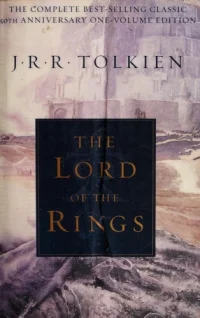
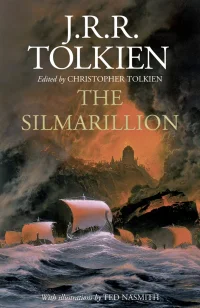
Also in the Middle-earth universe
See all 11 works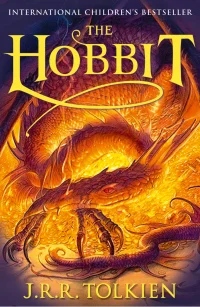
Reviews
Reviews will be open on 17/12/2027.
No reviews yet. Be the first to share your thoughts!
