Shinichiro Watanabe

Director
Tome
From the editors, by Tome Updated on 20/01/2026

Music picks the genre, and the episode follows: that is the method behind the work of Shinichiro Watanabe.

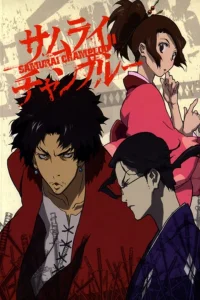
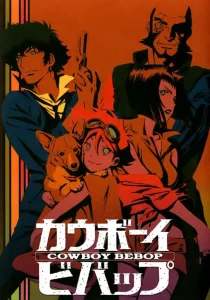
Watanabe directs animated series in which the soundtrack drives structure rather than decorating it. Cowboy Bebop runs on jazz, with episodes built like standards around a returning theme, while Samurai Champloo sets an Edo period road story to hip hop and lets the anachronism stand without explanation. Both follow drifters who avoid discussing their pasts.

Background and Influences

Western film genres are raided openly: noir, westerns, blaxploitation and heist cinema all supply episode templates. He works closely with composers from the start of production rather than commissioning music at the end, which is why the results feel scored rather than tracked. Jazz and hip hop are treated as structural models, not as references.

Style and Themes

Recurring subjects: the past catching up, found families that cannot admit they are families, and the cost of appearing untroubled. Episodes are frequently standalone and tonally unlike their neighbours, from farce to tragedy, held together by character rather than by plot. Action is choreographed with weight and brevity, and fights end quickly.

Legacy and Influence

His series are among the most common entry points into Japanese animation for western audiences, and his approach to music as a structural element is cited constantly by other directors.

Who Should Explore Their Work

For viewers who want episodic storytelling with a strong soundtrack and a streak of adult melancholy. A natural fit for film lovers, and for anyone who came to animation late and wants something that does not assume prior knowledge.

Best anime ranking by Shinichiro Watanabe

2
Compete in the Heroes' Tournament and win Amazon gift cards! Discover