
Luc Besson

Director
Tome
From the editors, by Tome Updated on 20/01/2026

Maximalist colour, opera on the soundtrack and a plot that never slows to explain itself: Luc Besson makes spectacle without apology.

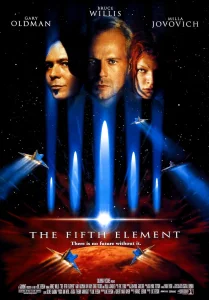
Besson directs science fiction and action cinema built on visual excess. The Fifth Element assembles a future from couture, comics and set design that refuses realism entirely, then runs a chase through it. Coherence matters less to him than momentum and image.

Background and Influences

European comics are the dominant influence, and he has drawn directly on the visual vocabulary of French science fiction bande dessinée, hiring from that world for design work. He built a production infrastructure that let him make large scale genre cinema outside the American studio system, financing and distributing on his own terms rather than waiting for permission.

Style and Themes

Recurring subjects: reluctant protectors, unlikely families formed under pressure, and women who are both weapon and innocent. His colour is saturated to the edge of cartoon, and his editing prioritises energy over geography, cutting on movement rather than on sense. Comedy sits inside action sequences rather than between them.

Legacy and Influence

He demonstrated that European studios could produce genre cinema at international scale, and the design language of his science fiction remains widely imitated. His action films shaped a generation of European genre production, and several of his protagonists became templates that others copied wholesale.

Who Should Explore Their Work

For viewers who want style over plausibility and are happy to be carried. A strong fit for anyone who loves production design and costume used as storytelling in their own right.

Best movies ranking by Luc Besson

1
Compete in the Heroes' Tournament and win Amazon gift cards! Discover