
Hiroshi Hamasaki

Director
Tome
From the editors, by Tome Updated on 20/01/2026

A microwave that sends text messages into the past, and eleven episodes of patience before it matters: Hiroshi Hamasaki trusted the structure.

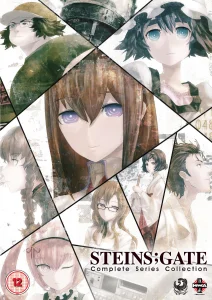
Hamasaki directs with a taste for dread and for unusual compositions. Steins;Gate spends its first half as a comedy about eccentrics in a rented laboratory, then reveals that everything established was setup, turning the same relationships into the material of a time travel tragedy.

Background and Influences

His earlier work includes bleak science fiction set in an underground city and a historical series about swordsmen, both known for extreme visual composition and for unflinching violence. That background explains the tonal control here: the comedy is genuine, which is exactly what makes the reversal effective.

Style and Themes

Recurring subjects: obsession, consequences arriving long after the decision, and characters trapped in repetition. He uses distinctive framing, with faces pushed to the edge of frame and long lens compression in interiors. Silence is used deliberately, and scenes are allowed to sit without music.

Legacy and Influence

His adaptation is regularly named among the strongest time travel narratives in any medium, and it is credited with proving that a visual novel could be adapted without either compressing its branches or preserving them mechanically. Its structure is now a common reference for series that spend a long first act laying groundwork.

Who Should Explore Their Work

For viewers willing to give a series several episodes before judging it. Suited to anyone who likes time travel treated with rigour, and to those who enjoy watching a comedy turn into something else entirely.

Best anime ranking by Hiroshi Hamasaki

1
Compete in the Heroes' Tournament and win Amazon gift cards! Discover