Dragon Ball
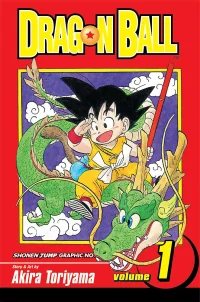
Akira Toriyama began Dragon Ball in Weekly Shonen Jump in 1984, as a comedy borrowed from a sixteenth-century Chinese novel. It ran eleven years and 519 chapters, sold more than 260 million volumes, and became the shape every Japanese action comic has worked from since.
A Chinese classic redrawn for a weekly magazine
Toriyama took the monkey king of Journey to the West and turned him into a boy with a monkey tail who hunts seven magic orbs. The early chapters are gag comedy. Shueisha printed them weekly in Shonen Jump, where reader ballots decided which series lived.
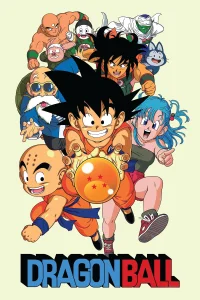
Toei Animation started adapting the comic in 1986, barely two years after it began. The schedule left no distance between page and screen, and the studio spent the next decade catching up with chapters drawn days before.
Toriyama tried to end the series several times. His editors talked him out of it, and a comedy about magic orbs turned into tournaments, then into a war between planets.
Toei keeps making it after Toriyama stops
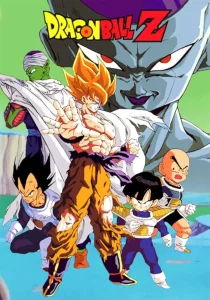
Dragon Ball Z ran 291 episodes between 1989 and 1996 and covered the second half of the comic. The anime moved faster than Toriyama could write, so Toei filled whole stretches with material he never drew.
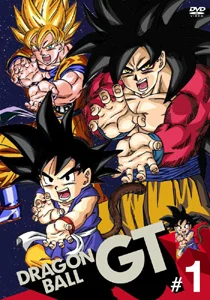
The manga ended in 1995. Dragon Ball GT started the following year with nothing from Toriyama but a few character designs, and Toei has quietly avoided referring to it ever since.
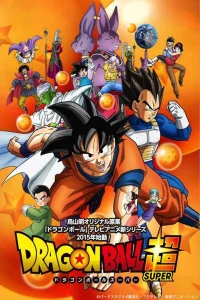
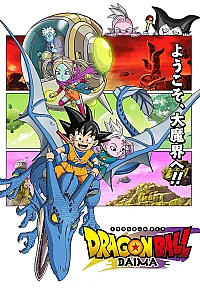
Dragon Ball Super brought him back in 2015 as story supervisor. Dragon Ball Daima went out in 2024, the last project he worked on before his death that March.
The films did not count, until Broly
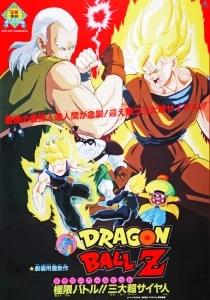
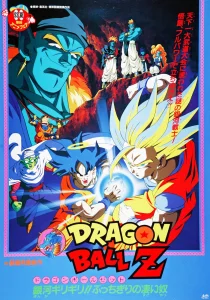
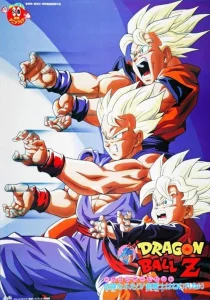
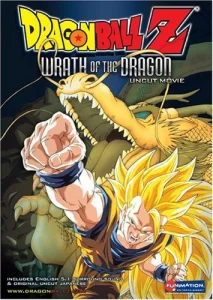
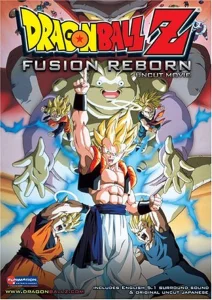
Toei released nine animated films between 1992 and 1995. They ran about fifty minutes, played in cinemas alongside other Jump titles, and contradicted the series whenever it suited them.
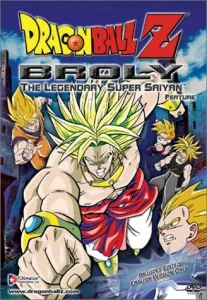
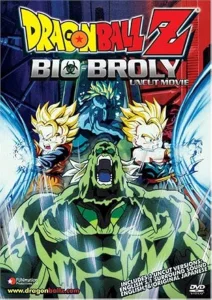
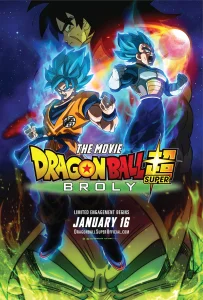
Broly was invented for one of them in 1993. He never appeared in the manga, and he still became one of the most popular characters in the franchise. Toriyama rewrote him for Dragon Ball Super: Broly in 2018, and the film took more than 120 million dollars worldwide, the highest figure the franchise has reached.
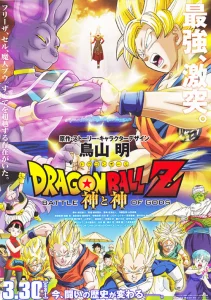
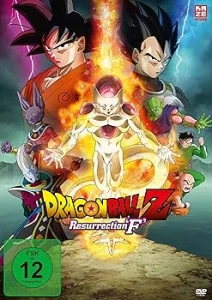
The two earlier films, Battle of Gods in 2013 and Resurrection 'F' in 2015, had already done something the 1990s ones never tried: they were written to belong to the story rather than to sit beside it.
Power levels, tournaments and a formula Jump still sells
Eiichiro Oda and Masashi Kishimoto have both said they draw because of this series. One Piece and Naruto took its structure directly: a tournament, a stronger enemy, a transformation, a training stretch before the next fight.
The Super Saiyan gave the genre its plainest idea. Power became visible, numbered and announced out loud, and fighting games built their entire vocabulary on it.
Toriyama died on 1 March 2024. Shonen Jump has published his imitators for forty years, and it still sells the structure he set down in a gag comic about a boy looking for seven orbs.
All works
No work matches this filter.