
A smart suspenseful, and satisfying continuation of a modern dystopian classic
6

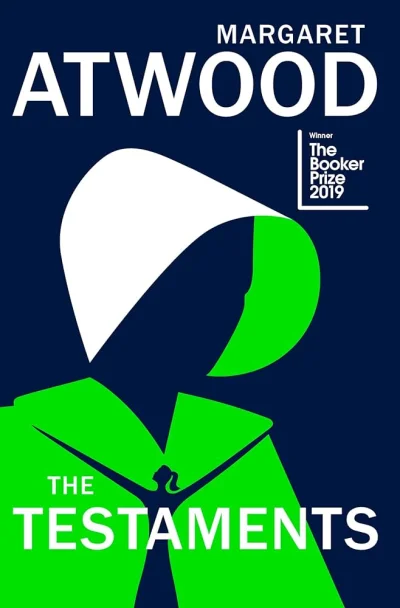
The air in Gilead feels dry enough to scrape. Margaret Atwood makes faith sound like paperwork, like testimony filed under pressure, and you can hear the silence between sentences. This book gathers women’s voices the way a storm gathers debris: violently, inevitably, and with purpose.
The Testaments unfolds in a theocratic state where obedience gets rewarded with bread and resistance gets punished with disappearance. Three women, each bound to different corners of the regime, end up connected through the traces they leave behind, whether they mean to or not. Their accounts circle the same question: what happens when power builds a religion strong enough to control bodies and weak enough to hide its own fractures. The stakes are personal, but the consequence is political, because truth here does not arrive as revelation, it arrives as evidence.
Atwood’s signature move is the way she turns language into a battleground, using distinct voices that feel measured, coded, and edged with danger. The prose carries that cool, surgical clarity, then suddenly tilts into something more intimate, like overheard confession. In terms of themes, this is power writing with a blade: institutions manufacture morality, and individuals learn how to survive inside the machinery. If you have read her dystopian work before, you will recognize the fascination with propaganda and the politics of storytelling, and you will feel the same dread, just rearranged into a different shape.
If you like dystopias that treat religion as a technology of control, you will likely lock onto this fast. It is also a demanding read emotionally, because the cruelty is not abstract and the history is not gentle. Go in prepared for complex structure and serious subject matter, and for the kind of suspense that comes from witness rather than spectacle.
The air in Gilead feels dry enough to scrape. Margaret Atwood makes faith sound like paperwork, like testimony filed under pressure, and you can hear the silence between sentences. This book gathers women’s voices the way a storm gathers debris: violently, inevitably, and with purpose.
The Testaments unfolds in a theocratic state where obedience gets rewarded with bread and resistance gets punished with disappearance. Three women, each bound to different corners of the regime, end up connected through the traces they leave behind, whether they mean to or not. Their accounts circle the same question: what happens when power builds a religion strong enough to control bodies and weak enough to hide its own fractures. The stakes are personal, but the consequence is political, because truth here does not arrive as revelation, it arrives as evidence.
Atwood’s signature move is the way she turns language into a battleground, using distinct voices that feel measured, coded, and edged with danger. The prose carries that cool, surgical clarity, then suddenly tilts into something more intimate, like overheard confession. In terms of themes, this is power writing with a blade: institutions manufacture morality, and individuals learn how to survive inside the machinery. If you have read her dystopian work before, you will recognize the fascination with propaganda and the politics of storytelling, and you will feel the same dread, just rearranged into a different shape.
If you like dystopias that treat religion as a technology of control, you will likely lock onto this fast. It is also a demanding read emotionally, because the cruelty is not abstract and the history is not gentle. Go in prepared for complex structure and serious subject matter, and for the kind of suspense that comes from witness rather than spectacle.
 Buy on Amazon
 Login to share your review

Log in to join the discussion
No comments yet. Be the first to share your thoughts!
Comments (1)
Log in to join the discussion