
Translated from Spanish
I'm going
😃
12

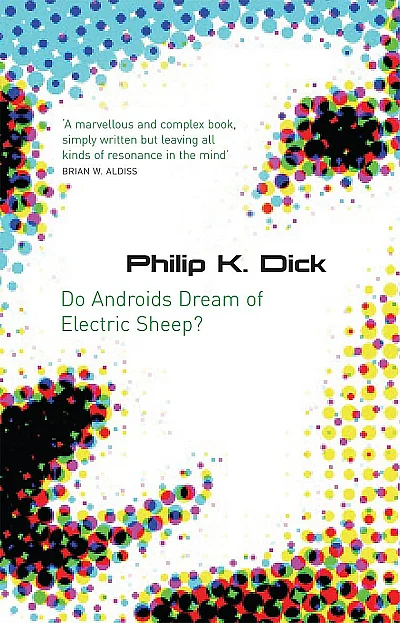
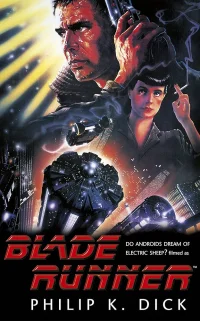
Few novels have generated a cultural afterlife so much larger than themselves. Philip K. Dick's science fiction landmark became the foundation for Ridley Scott's Blade Runner, yet the novel it comes from is stranger, quieter, and more unsettling than any adaptation has fully captured.
Where most science fiction of its era traded in spectacle, Dick builds his world through accumulation of small, anxious details: a mood organ you dial each morning to select your emotional state, the social shame of owning an artificial animal instead of a real one. The texture of daily life under slow civilizational collapse is where the book does its sharpest work.
Bounty hunter Rick Deckard operates in a post-nuclear San Francisco, tasked with "retiring" rogue androids who have escaped from off-world colonies. The central question is not whether androids can think, but whether they can feel, and whether that distinction still matters.
The novel sits within Dick's most productive period, a body of work obsessed with the fragility of consensus reality and the bureaucratic texture of dystopia. It stands alone, requiring no prior familiarity with the author's other work.
At a compact length, it rewards readers who want science fiction that operates more like a philosophical provocation than an adventure. Those who know only the film will find the book genuinely disorienting in the best sense: the stakes are smaller, the world is sadder, and the ending lands differently. No content warnings beyond pervasive existential dread, which we would argue is rather the point.
Few novels have generated a cultural afterlife so much larger than themselves. Philip K. Dick's science fiction landmark became the foundation for Ridley Scott's Blade Runner, yet the novel it comes from is stranger, quieter, and more unsettling than any adaptation has fully captured.
Where most science fiction of its era traded in spectacle, Dick builds his world through accumulation of small, anxious details: a mood organ you dial each morning to select your emotional state, the social shame of owning an artificial animal instead of a real one. The texture of daily life under slow civilizational collapse is where the book does its sharpest work.
Bounty hunter Rick Deckard operates in a post-nuclear San Francisco, tasked with "retiring" rogue androids who have escaped from off-world colonies. The central question is not whether androids can think, but whether they can feel, and whether that distinction still matters.
The novel sits within Dick's most productive period, a body of work obsessed with the fragility of consensus reality and the bureaucratic texture of dystopia. It stands alone, requiring no prior familiarity with the author's other work.
At a compact length, it rewards readers who want science fiction that operates more like a philosophical provocation than an adventure. Those who know only the film will find the book genuinely disorienting in the best sense: the stakes are smaller, the world is sadder, and the ending lands differently. No content warnings beyond pervasive existential dread, which we would argue is rather the point.
 Buy on Amazon
 Login to share your review

Log in to join the discussion
No comments yet. Be the first to share your thoughts!
Comments
Log in to join the discussion
No comments yet. Be the first to share your thoughts!