
Takeshi Obata

Illustrator
Tome
From the editors, by Tome Updated on 20/01/2026

A notebook, a desk lamp and two men staring at each other: Takeshi Obata made a thriller out of almost no movement.

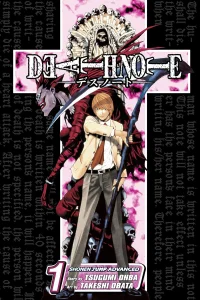
Obata draws. He does not write the stories he is best known for, and that division of labour is precisely what makes his work interesting. On Death Note he had to render a battle of deduction in which nobody moves, and he solved it with lighting, framing and an operatic sense of posture. The tension is carried almost entirely by the art.

Background and Influences

He has spent his career partnering with different writers rather than developing his own scripts, an unusual path in a medium where author and artist are often the same person. That specialisation shows: his line adapts noticeably from one collaboration to the next, taking on the register a story needs rather than imposing a fixed signature.

Style and Themes

His hallmark is theatrical staging. Characters lean, sprawl and gesture as if lit for a stage, and a simple conversation gets the camera angles of a duel. Detail is lavished on hands, hair and fabric, which is why static scenes still feel kinetic. He renders food, furniture and clutter with the same care as faces, grounding the melodrama in a recognisable world.

Legacy and Influence

He is among the most technically admired artists working in serialised manga, and the visual language he built for psychological confrontation has been widely copied. His collaborations demonstrated that a dedicated illustrator can be the defining voice of a series.

Who Should Explore Their Work

For readers who care about drawing as performance, and who want suspense built from faces rather than fights. A strong choice for anyone who thinks manga means action.

Best manga ranking by Takeshi Obata

1
Compete in the Heroes' Tournament and win Amazon gift cards! Discover