
From the editors, by Tome Updated on 25/05/2026 Wielding Power: The Temptation of "Death Note"
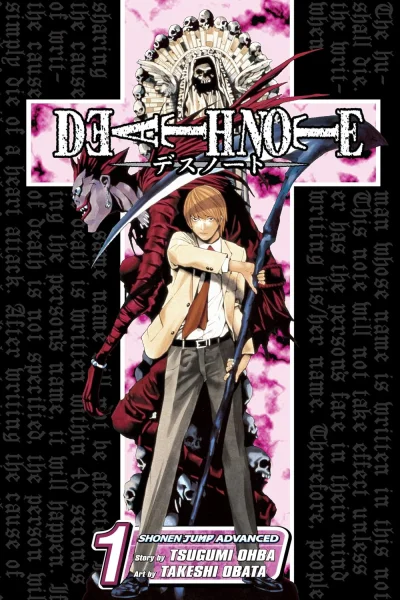
Imagine holding the power to end a life with just a pen stroke. "Death Note," the brainchild of Tsugumi Ohba and Takeshi Obata, dives headfirst into this chilling proposition. Since its debut in 2003, within the pages of Weekly Shonen Jump, it hasn't just lingered in manga discussions,it's dominated them, sparking moral debates that burn brighter with each re-read.
The Story
A bored high school genius named Light Yagami stumbles upon a mystical notebook,one that grants the ability to kill anyone whose name is written within its pages. As he dons the identity of 'Kira,' a self-styled god, a game of cat and mouse ensues against the enigmatic detective L. Unlike typical shonen escapades, "Death Note" thrives on psychological tension and cerebral duels rather than brawny confrontations.
Visual and Narrative Identity
Takeshi Obata's art style is as stark as it is stunning. His use of chiaroscuro mirrors the manga's moral ambiguities, while dynamic panel layouts amplify its suspenseful pacing. A clear departure from traditional shonen tropes, "Death Note" establishes its own niche,a sophisticated narrative wrapped in an intricate visual package.
Who Should Read This
This is no light-hearted romp across fantasy fields; it's for those drawn to complex narratives where intellect reigns supreme. At twelve volumes long, it's a commitment that rewards readers willing to grapple with themes like justice and authoritarianism. Be prepared: mature themes and violence underscore this dark tale. An acclaimed anime adaptation continues to expand its reach, echoing its status as a modern classic.


Comments
Log in to join the discussion
No comments yet. Be the first to share your thoughts!