
Neill Blomkamp

Director
Tome
From the editors, by Tome Updated on 20/01/2026

Science fiction filmed like a news report, with aliens processed through immigration paperwork: Neill Blomkamp found a register nobody else had.

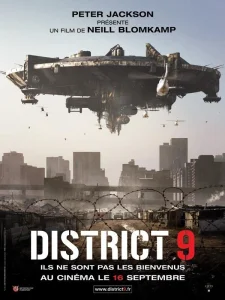
Blomkamp directs science fiction grounded in documentary technique. District 9 opens as reportage about a segregated alien settlement and turns into a chase, keeping the handheld camera and the bureaucratic vocabulary throughout. The premise works because the administration is more frightening than the creatures.

Background and Influences

He came from visual effects, and his creature work integrates with live action footage in a way that suggests a technician's eye rather than a showman's. South African history and the visual language of televised conflict inform the staging directly, from the interview inserts to the equipment his characters carry.

Style and Themes

Recurring subjects: segregation made physical by architecture, corporations operating as governments, and protagonists who are not especially admirable. Machinery is drawn dirty and used, held together with tape and improvisation rather than gleaming. Violence is abrupt and unglamorous, filmed with the camera in the wrong place on purpose, so that the audience misses part of it exactly as a witness would.

Legacy and Influence

His debut demonstrated that hard edged political science fiction could reach a wide audience without a franchise behind it, and its documentary approach has been widely imitated since, usually without the political specificity that made it work.

Who Should Explore Their Work

For viewers who want science fiction with a political argument and a rough surface. Expect graphic violence, handheld camerawork and an ending that offers no comfort whatsoever. Start with the debut, which remains the clearest statement of the method, then judge the rest against it.

Best movies ranking by Neill Blomkamp

1
Compete in the Heroes' Tournament and win Amazon gift cards! Discover