
Naoko Yamada

Director
Tome
From the editors, by Tome Updated on 20/01/2026

Hands, feet and the space between people: that is where Naoko Yamada points the camera.

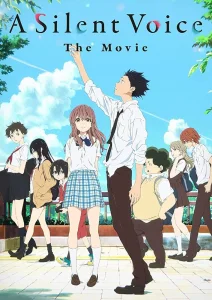
Her films find emotion in physical detail rather than in dialogue. A Silent Voice follows a former bully and the deaf classmate he tormented, and refuses to make forgiveness simple or to let its protagonist off through good intentions. The camera lingers where characters cannot look at each other, and crosses out the faces of people the lead cannot face.

Background and Influences

She came up directing television animation before moving to features, and brought with her an unusually observational eye. Her framing borrows from live action cinema, favouring low angles and partial views over the wide establishing shots common in the medium. Ordinary gestures, adjusting a strap, tapping a railing, are animated with the weight usually given to action.

Style and Themes

Recurring subjects: communication and its failure, adolescent shame, and the slow work of repair. Feet, fingers and averted gazes carry information that the script withholds. Sound design is used sparingly, ambient noise swelling when a character is overwhelmed, and silence is allowed to sit long enough to become uncomfortable.

Legacy and Influence

She is among the most recognisable directorial voices in contemporary animation, and her handling of disability and social anxiety has been widely discussed for treating its subject without sentimentality. Her influence is visible in a generation of directors who film adolescence at close range.

Who Should Explore Their Work

For viewers who want quiet, character driven animation and are willing to sit with discomfort rather than be reassured. Suited to anyone who finds most redemption stories too easy, and to viewers who notice framing.

Best animated movies ranking by Naoko Yamada

1
Compete in the Heroes' Tournament and win Amazon gift cards! Discover