
Greig Fraser

Cinematographer
Tome
From the editors, by Tome Updated on 03/10/2026

Natural light, real locations and a willingness to underexpose: Greig Fraser shoots science fiction like documentary.

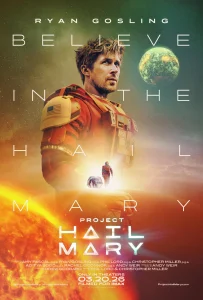
Fraser is the cinematographer on Project Hail Mary. His approach across genre cinema has been consistent: available light where possible, in camera effects rather than post production fixes, and a tolerance for darkness that lets an image be genuinely dim rather than artificially lifted.

Background and Influences

He is Australian and worked in commercials and independent film before moving to large productions, arriving with habits formed on small crews. He has been closely involved in developing virtual production techniques, where actors perform inside a screen displaying the environment, an approach he helped establish on a science fiction television series and which has since spread across the industry.

Style and Themes

Recurring subjects: scale established through negative space, faces lit by a single practical source, and landscapes shot to feel physically present rather than composited. He favours long lenses and haze, and he is unusually willing to let a subject fall into silhouette, trusting the audience to read the frame rather than lighting every face for safety.

Legacy and Influence

He has won an Academy Award for cinematography on a desert science fiction epic, and his work on a superhero film and a space opera prequel is widely studied. His contribution to virtual production has changed how large scale genre television and film are physically made.

Who Should Explore Their Work

For viewers who watch for the image. Suited to anyone interested in how contemporary science fiction is lit and photographed, and to those curious about virtual production and where it came from.

Best movies ranking by Greig Fraser

2
Compete in the Heroes' Tournament and win Amazon gift cards! Discover