Alex Garland

Director Screenwriter
Tome
From the editors, by Tome Updated on 20/01/2026

A conversation in a locked room, and the horror arrives through the argument: Alex Garland writes science fiction as philosophy under pressure.

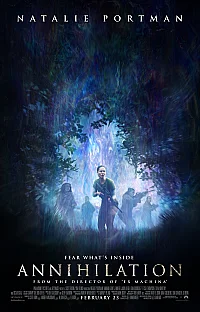
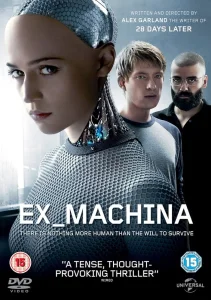
Garland writes and directs films built on small casts and large questions. Ex Machina stages a Turing test as a chamber drama between three people, and Annihilation sends a team into a zone that rewrites biology. Both refuse to resolve their central question, which is the point rather than an evasion.

Background and Influences

He came to directing from novels and screenwriting, and the interest in structure shows: his films are built like arguments with a turn in the middle. Hard science fiction literature and horror both inform the work, and he treats scientific ideas as dramatic material rather than as decoration, letting characters be wrong about them in revealing ways.

Style and Themes

Recurring subjects: consciousness and whether it can be recognised from outside, self destruction as a biological rather than moral impulse, and men who mistake control for understanding. Design is clean and modern, with horror emerging from composition rather than from shock. Scores are used as sustained pressure rather than as emotional cueing, often arriving before anything has gone wrong.

Legacy and Influence

He is among the most reliable contemporary voices in ideas driven science fiction cinema, and his films are frequently cited in discussions of artificial intelligence well outside film criticism, which is unusual for genre cinema.

Who Should Explore Their Work

For viewers who want science fiction that argues rather than explains, and who are comfortable with ambiguity. Not the choice if you want questions answered or threats explained before the credits.

Best movies ranking by Alex Garland

2
Compete in the Heroes' Tournament and win Amazon gift cards! Discover