
From the editors, by Tome Updated on 19/04/2026 Spidey’s Best Crisis: When the Mask Stops Being Fun
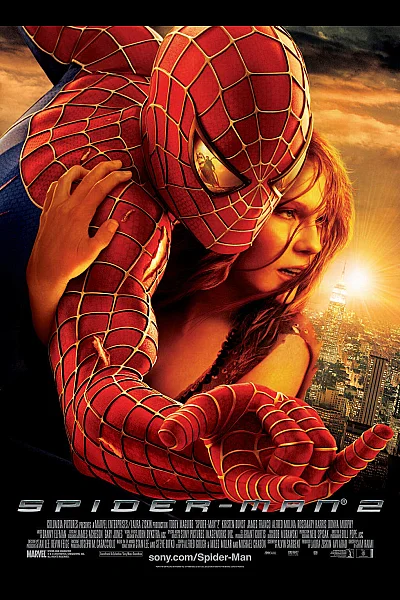
In 2004, Spider-Man 2 drops into theaters like a bad day that refuses to end. Sam Raimi keeps the momentum of superhero spectacle, but he also lets the cracks show: mess, fatigue, and the humiliating feeling of being responsible for everything and fixing nothing. Critics and fans widely praised it for tightening the emotional stakes and expanding the movie’s ambition beyond pure action.
The Pitch
Peter Parker tries to juggle his life, his job, and his mask, and he starts losing control of all three at once. His powers feel unreliable, his relationships strain, and the city keeps demanding more than he can honestly give. Meanwhile, a new kind of threat gathers from within the same ecosystem that once celebrated him. The stakes grow personal: not just stopping villains, but earning the right to belong to the people you protect.
Direction and Visual Universe
Raimi’s direction loves movement and personality. Spider-Man swings through bright, busy streets with a comic-book snap, then suddenly turns claustrophobic when Peter’s world feels too small. The film leans on a distinct visual style that mixes practical set pieces, dynamic camera work, and expressive set design. If you’re sensitive to intensity, note the way the story uses sound and pacing to make danger feel immediate rather than abstract, supported by a memorable musical sensibility that underlines both wonder and dread.
Who Should Watch This
This is for you if you like superhero movies that treat feelings as plot, not decoration. It runs about 2 hours, and it’s the second installment in the Spider-Man movie sequence, so you’ll get more out of it if you’ve seen the first film. There’s action violence and peril, plus some darker emotional beats, but it keeps a clear moral center even when Peter doesn’t.



Comments
Log in to join the discussion
No comments yet. Be the first to share your thoughts!