Spider-Man
The best-reviewed Spider-Man film is a cartoon. Sony bought the character's film rights in 1999, spent two decades trying to make live action work, and produced its most admired version by handing the job to an animation studio with no live-action problem to solve.
1999: Sony buys a character Marvel was selling cheap
Marvel was close to bankruptcy in the 1990s and sold film rights aggressively. Sony acquired Spider-Man for a reported seven million dollars plus a share of the takings, a price that looks absurd now and was defensible then.
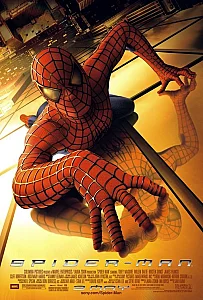
Sam Raimi's Spider-Man opened in 2002 and took 821 million dollars. Its web-swinging was the argument: the character moves through a city, and no previous effects work had made that legible on screen.
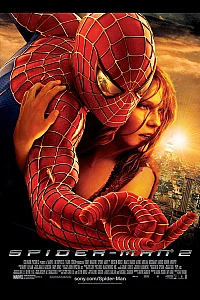
Spider-Man 2 followed in 2004 and is the one most critics still rank first, largely because it spends its running time on a hero who wants to quit. It holds 93 on Metacritic against 73 for the first film.
Spider-Man 3, and a villain nobody working on the film wanted
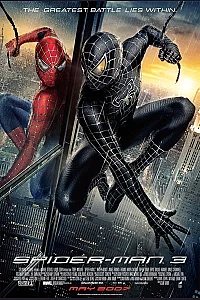
Raimi has said he did not want Venom in the third film. Producer Avi Arad pushed for the character because of merchandise demand, and Spider-Man 3 arrived in 2007 with three antagonists and no room for any of them.
It made more money than Spider-Man 2 and ended the series. Sony rebooted twice in the following decade, then signed an agreement with Marvel Studios in 2015 to share the character with the Marvel films.
That deal is why one company owns the rights and another decides what happens to him.
Twelve frames a second, and an Academy Award
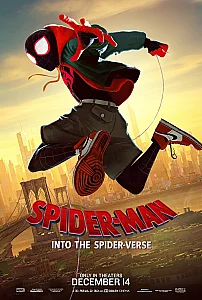
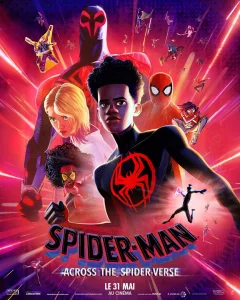
Sony Pictures Animation released Spiderman: into the Spider-Verse in 2018. It animated its lead at twelve frames per second while everything around him moved at twenty-four, so that a beginner would look out of step with his own world.
The film won the Academy Award for animation and changed how studios light and line their computer animation. Spider-Man: Across The Spiderverse went further in 2023 by giving each parallel world its own drawing style.
Across the Spider-Verse holds 86 on Metacritic and took more than 690 million dollars. No live-action Spider-Man film has been reviewed as well as either of them.
The mask is the point
Spider-Man was created in 1962 by Stan Lee and Steve Ditko as a teenager with money problems, which was not what superhero comics did at the time.
The full-face mask made something else possible sixty years later: anyone can be under it. Miles Morales arrived in the comics in 2011 and became the lead of the best-received films of the franchise.
Sony has a character it cannot fully control, in a genre it did not create, and the version audiences rate highest is the one where he is not the same person.
All works
No work matches this filter.