The Witcher
Andrzej Sapkowski sold the game rights to his novels for a flat fee. He was offered a share of the revenue instead and turned it down, on the reasoning that the games would fail. CD Projekt has since sold more than 75 million copies, and the books, the games and a Netflix series now describe the same world from three different sets of hands.
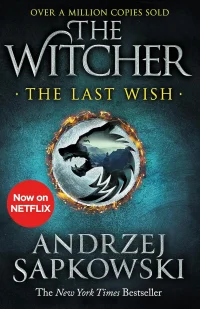
Short stories in a Polish magazine, 1986
Sapkowski published the first Geralt story in the magazine Fantastyka in 1986, at 38, while working in the fur trade. The stories rewrite folk tales from the inside: the monsters have contracts, invoices and legal status.
The collections and then five novels followed through the 1990s, and they were read across Poland and the Czech Republic long before any English translation existed.
That order matters. The books were a Central European success for fifteen years before the rest of the world met them through a game.
The flat fee, and the lawyer's letter twenty years later
CD Projekt was a small Warsaw distributor when it licensed the books around 1997. Sapkowski asked for payment in advance rather than royalties.
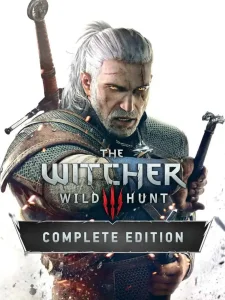
The Witcher 3: Wild Hunt came out in 2015, scored 92 on Metacritic and sold more than 50 million copies on its own. In 2018 Sapkowski's lawyers demanded 16 million dollars, citing a provision of Polish copyright law that allows a creator to reopen a contract when the payment turns out to be grossly disproportionate. The two sides settled in 2019.
The Polish government had already given a copy of the second game to Barack Obama on a state visit in 2011, which tells you what the country had decided the series was for.
Netflix casts a reader, and loses him
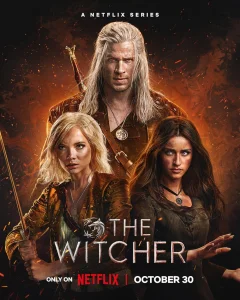
The Witcher reached Netflix in 2019 with Henry Cavill, who had read the novels before being cast and argued for staying close to them.
He left after the third season. The writers had moved away from the books, several of them said so publicly, and the production replaced its lead rather than its direction.
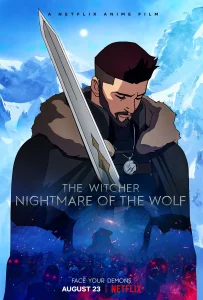
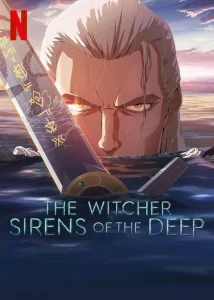
The animated films took the opposite route. The Witcher: Nightmare of the Wolf in 2021 tells a story the books only mention, and The Witcher: Sirens of the Deep in 2024 adapts one of the original short stories directly.
A fantasy that argues about paperwork
Geralt is paid to kill monsters and spends most of his time negotiating fees, reading contracts and discovering that the client lied. The genre's usual chosen-one structure is not merely absent, it is treated as a joke made at the hero's expense.
Studios noticed. The Witcher 3 made dense side quests a commercial expectation rather than a bonus, and games as different as Cyberpunk 2077 and Baldur's Gate 3 were measured against it on release.
Sapkowski has said repeatedly that he does not play the games. They remain how most of the world found his books.
All works
No work matches this filter.