The Last of Us
The sequel was leaked before release, and a portion of the audience decided what it thought of the story from stolen video clips. The Last of Us Part II then won more awards than any game of its year while holding one of the lowest user scores on Metacritic, and the television adaptation reached ten million viewers on its second episode.
A studio known for adventure games makes a game about grief
Naughty Dog had spent a decade on Crash Bandicoot and Uncharted. The 2013 original moved to a slower register: two people crossing a ruined United States, with combat that is deliberately clumsy and scarce.
The technical achievement was facial performance. The studio recorded actors' faces and bodies together, which let the writing carry silences instead of dialogue.
The ending refuses a resolution. Joel makes a choice most players would not make, the game does not comment on it, and it became the reference example of a protagonist an audience is not asked to approve.
2020: a leak, a review bombing and a shelf of awards
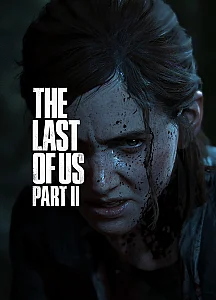
Footage from The Last of Us Part II appeared online months before release. Its plot turn was known in advance and stripped of context.
The finished game took more than 300 game of the year awards, the most recorded for any title. Its Metacritic user score sat near 5 while the press average was 93.
Sony withdrew thousands of reviews posted in the first hours, since a substantial number arrived faster than anyone could have played the game.
The adaptation that finally worked
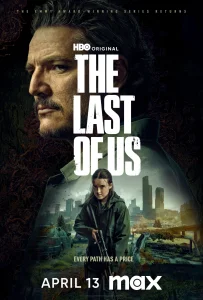
Video game adaptations had a thirty-year record of failure. The Last of Us reached HBO in 2023, written by the game's director with Craig Mazin, and drew 4.7 million viewers on its first night and almost ten on its second.
It changes things deliberately. One episode replaces a minor character with an hour of self-contained story that has no equivalent in the game and became the most praised of the season.
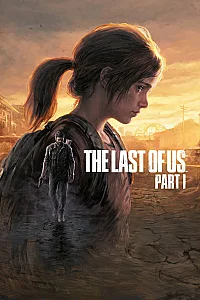
The Last of Us Part I, a full remake of the 2013 game, arrived in 2022 partly to give the new audience a current version to buy.
What it settled about games and adaptation
Studios had assumed for years that games resist adaptation because their stories depend on being played. This one demonstrated the opposite: the material adapts when the people who made it hold authority over the result.
Every subsequent adaptation has copied the arrangement, with the original creators credited as writers or producers rather than consulted.
The franchise also settled an uglier question. A story can be commercially successful, critically dominant and genuinely hated by part of its audience at the same time, and the numbers will not tell you which reaction is the real one.
All works
No work matches this filter.