Dead Space
The interface is inside the game. Dead Space put the health bar on the character's spine and the inventory on a projector he carries, so nothing covers the screen and nothing can be checked in safety. Electronic Arts closed the studio that built it four years later.
2008: an engineer with a mining tool
Visceral Games made the protagonist a repair engineer rather than a soldier, and gave him a plasma cutter designed for rock.
That choice produced the combat. The creatures cannot be killed by shooting the body, only by severing limbs, so the weapon rotates to cut horizontally or vertically and every fight is an aiming problem.
The first game sold about two million copies, enough for a sequel and not enough for comfort. The setting is a mining ship whose crew has been converted into something else. The design references Alien and Event Horizon openly, down to the industrial corridors and the lack of any authority coming to help.
The screen belongs to the player, not to the menus
Nothing in the game pauses. Opening the inventory projects a hologram in front of the character while the world keeps moving behind it, which means a player who checks their ammunition can be attacked while reading.
Health is a line of light on the spine, visible to the player and to anyone watching. Games had been placing this information in corners since the 1980s.
The idea spread quickly, and the phrase for it, diegetic interface, entered design vocabulary through this game more than through any other.
A sequel that improved, a third that obeyed the publisher
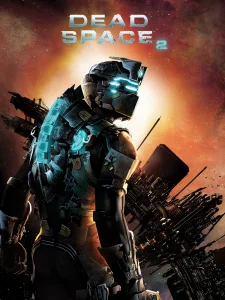
Dead Space 2 arrived in 2011 with a larger budget and more direction, and it is the entry most players rate first.
Dead Space 3 followed in 2013 with cooperative play, weapon crafting and microtransactions, none of which the series had needed. Sales fell short of the target Electronic Arts had set, which was reportedly five million copies.
Visceral Games was closed in 2017 while working on something else. The studio that had built one of the most copied interfaces in games did not survive its own third instalment.
A remake, and what it says about horror budgets
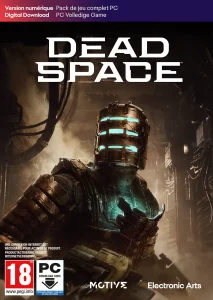
Electronic Arts remade the first game in 2023, rebuilt in the engine used for its sports titles, with the ship redesigned as one continuous space with no loading.
It was well received and sold modestly, which is the recurring position of expensive horror: the audience is real, committed and too small for a budget of that size.
The influence outlived the commercial record. Callisto Protocol, made by the first game's director, is the clearest case, and a generation of horror games has taken the severed limbs and the interface without the mining ship.
All works

No work matches this filter.