
From the editors, by Tome Updated on 04/06/2026 When the Slaughterhouse Moves Indoors
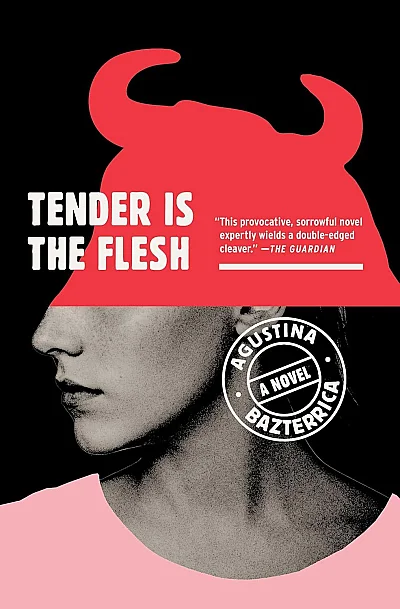
Few recent works of speculative fiction have provoked quite this level of visceral discomfort with such surgical calm. Written originally in Spanish by Argentine author Agustina Bazterrica, the novel arrives in English translation with a premise so blunt it functions almost as a dare.
What distinguishes it from standard dystopian fare is precisely its refusal of spectacle. The horror here is bureaucratic, mundane, processed through paperwork and professional euphemism, which makes it land harder than any gore ever could.
The Story
A virus has rendered all animal meat toxic to humans. The solution, now legal and industrialized, is the farming of human beings for consumption. Marcos works inside this system, managing a processing plant, and the novel follows him as a delivery forces him to confront what he has spent years not looking at directly.
Bazterrica uses the industry's sanitizing vocabulary throughout: "special meat", "heads", clinical classifications. The language itself becomes the argument.
Who Should Read This
This is a short, dense novel, and it reads quickly, but it does not leave quickly. Readers who appreciate allegorical fiction with real teeth, think Kafka refracted through a contemporary ethics of consumption, will find it rewarding. Content warnings apply for graphic depictions of industrialized violence against human bodies, and for themes of grief and moral complicity that are handled without reassurance.


Comments
Log in to join the discussion
No comments yet. Be the first to share your thoughts!