
From the editors, by Tome Updated on 23/06/2026 Eight Stories That Rewire How You Think
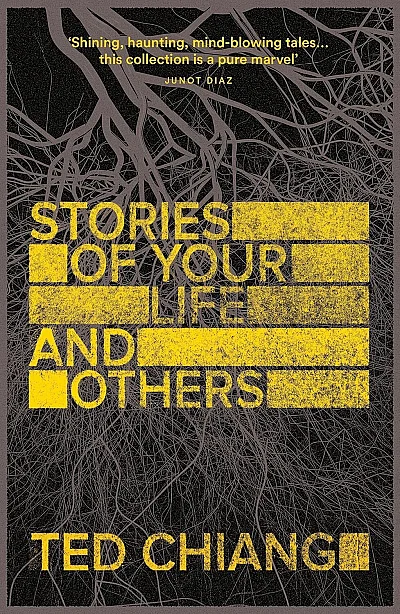
Few short story collections in contemporary science fiction have earned the kind of quiet, lasting reputation this one carries. Ted Chiang writes with a precision that feels almost scientific, yet the emotional weight of each story lands with full force.
What distinguishes the collection is Chiang's method: he takes a single speculative premise, follows its logic to the end without flinching, and lets the human consequences accumulate. There are no shortcuts, no decorative strangeness for its own sake.
The Story
The eight stories here range across linguistics, mathematics, theology, and cognitive science, each built around a rigorous "what if" that reshapes the world just enough to expose something about the one we already live in. The title story, which became the basis for the film Arrival, follows a linguist whose encounter with an alien language alters her experience of time itself. The tonal register throughout is contemplative, sometimes devastating, never sensational.
Chiang publishes rarely, which makes each story feel considered rather than prolific. This collection gathers work that had previously appeared in various venues, and it remains the essential entry point into his writing.
Who Should Read This
Readers who find most science fiction too action-driven and most literary fiction too indifferent to ideas will find this collection sits exactly at the point where both demands are met. No prior familiarity with the genre is required, though an appetite for stories that ask you to think alongside them, not just follow them, is essential.
Some stories engage with formal or philosophical complexity, so this rewards patient reading rather than quick consumption.


Comments
Log in to join the discussion
No comments yet. Be the first to share your thoughts!