

Translated from French
3 stories that inspire...
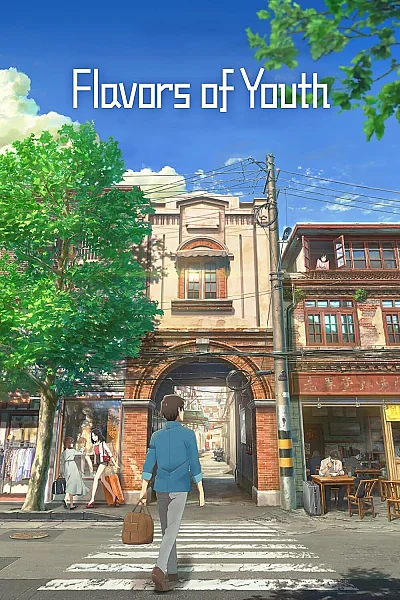
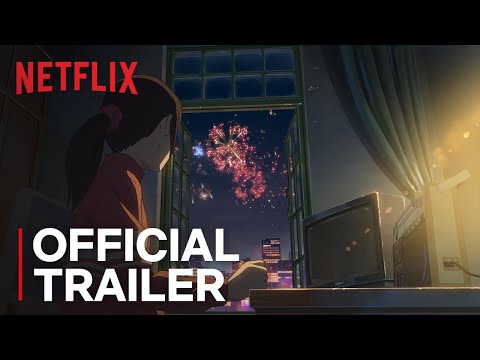
When I saw this anime for the first time, the dialogue moved me deeply. Three stories of three different characters who tell their lives in urban China. Each dialogue is either a life lesson, a memory, or music - basically, moments that we all experience every day in our daily lives. A beautiful life lesson, and I think a part of us recognizes ourselves in each of the stories.
One of the lines from one of the stories that touched me (because I think we all have this thought at least once in our lives): "Life isn't a cassette tape, you can't rewind and go back, my heart has been suffering for so long with such burning pain. I didn't realize I was making you suffer too. Why didn't I listen to your voice when there was still time. But I know that if we meet again someday, we can pick up our dream where we left off... I hope so with all my strength, with all my despair..."
One of the lines from one of the stories that touched me (because I think we all have this thought at least once in our lives): "Life isn't a cassette tape, you can't rewind and go back, my heart has been suffering for so long with such burning pain. I didn't realize I was making you suffer too. Why didn't I listen to your voice when there was still time. But I know that if we meet again someday, we can pick up our dream where we left off... I hope so with all my strength, with all my despair..."
23
Comments
Log in to join the discussion
No comments yet. Be the first to share your thoughts!