Metro 2033
Metro 2033: Official Launch Trailer HD
Down There, the World Still Breathes
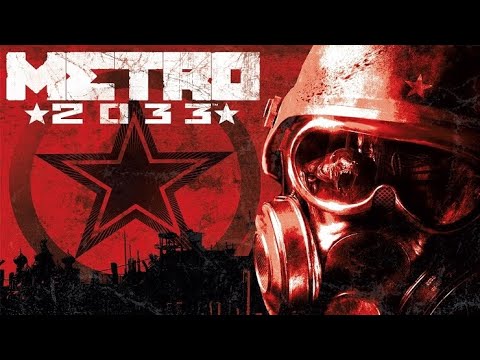
There is a particular kind of silence in Metro 2033: not the peaceful kind, but the “listen or you die” kind. Released in a post-apocalyptic moment when cameras loved rubble, it arrived with something rarer, a claustrophobic mood you could practically taste. Players didn’t just explore levels. They learned to ration light, trust, and their own nerves.
The Experience
In the tunnels beneath Moscow, you play as Artyom, a survivor trying to carry a message through a world where religion, fear, and factions turn survival into politics. The core loop is simple and punishing: move carefully, scavenge for resources, manage your equipment, then choose how loudly you live. Stealth, resource scarcity, and weapon upgrades keep you hovering between “fight” and “disappear.” It’s a shooter, sure, but it feels like a survival story that happens to use guns.
What Sets It Apart
THQ and 4A Games built a tone first, tech second, which is why the atmosphere holds up even when you notice the seams. The art direction leans into practical filth and flickering geometry, and the lighting sells every corner as a potential trap. The sound design is especially important: every pipe, footstep, and breath reads like a threat assessment. In the studio’s catalog, it also matters because it helped define modern Metro identity, the series’ talent for turning gunplay into pressure.
Who Should Play This
If you like shooters with survival tension and narrative weight, you are the target audience. Expect an average playtime that varies by approach, with a harder edge if you play conservatively; difficulty and exploration shape the pace. It’s available on multiple platforms through later editions, and it helps if you are comfortable with older-school clunk, because Metro’s reward comes from mood and consequence, not speed.
Down There, the World Still Breathes
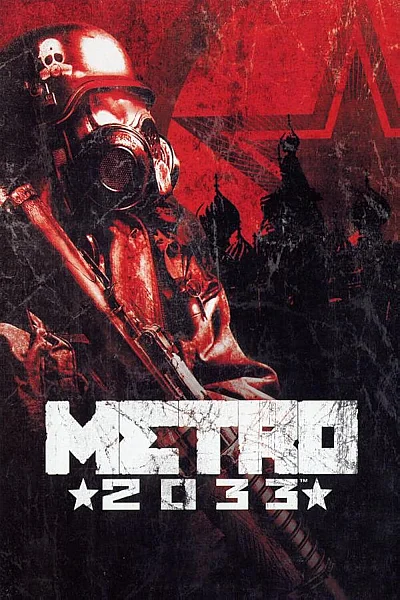
There is a particular kind of silence in Metro 2033: not the peaceful kind, but the “listen or you die” kind. Released in a post-apocalyptic moment when cameras loved rubble, it arrived with something rarer, a claustrophobic mood you could practically taste. Players didn’t just explore levels. They learned to ration light, trust, and their own nerves.
The Experience
In the tunnels beneath Moscow, you play as Artyom, a survivor trying to carry a message through a world where religion, fear, and factions turn survival into politics. The core loop is simple and punishing: move carefully, scavenge for resources, manage your equipment, then choose how loudly you live. Stealth, resource scarcity, and weapon upgrades keep you hovering between “fight” and “disappear.” It’s a shooter, sure, but it feels like a survival story that happens to use guns.
What Sets It Apart
THQ and 4A Games built a tone first, tech second, which is why the atmosphere holds up even when you notice the seams. The art direction leans into practical filth and flickering geometry, and the lighting sells every corner as a potential trap. The sound design is especially important: every pipe, footstep, and breath reads like a threat assessment. In the studio’s catalog, it also matters because it helped define modern Metro identity, the series’ talent for turning gunplay into pressure.
Who Should Play This
If you like shooters with survival tension and narrative weight, you are the target audience. Expect an average playtime that varies by approach, with a harder edge if you play conservatively; difficulty and exploration shape the pace. It’s available on multiple platforms through later editions, and it helps if you are comfortable with older-school clunk, because Metro’s reward comes from mood and consequence, not speed.
Also in the Metro universe
See all 4 worksReviews
Login to share your review
Atmospheric and tense survival horror
The protagonist lives in subway tunnels under Moscow after a global war. The tunnels are dark and atmospheric, and the tactile feel of using and maintaining your gas mask always makes me feel on the ragged edge of survival. Even if characterization isn't a strong point of the game, you still feel drawn to a few of the characters.
My one gripe with this series is the constant use of "deus ex machina" salvation from tense situations. The books explain a partial reason for this, but it takes away from my enjoyment of the story.
Comments
Log in to join the discussion
No comments yet. Be the first to share your thoughts!
Comments
Log in to join the discussion
No comments yet. Be the first to share your thoughts!