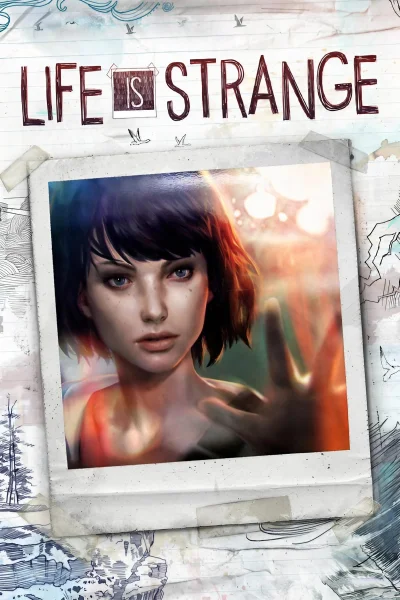


Life Is Strange
Trailer: Remastered version
Time Travel, Teen Drama, and the Art of Regret
Before “choice-based narratives” became a marketing checkbox, Life Is Strange treated consequences like weather: always there, always changing, and never polite about it. The game arrives with a moody specificity that made it spread beyond typical adventure-game circles, turning freckles-and-school-hallways storytelling into a cultural mood. Even now, people talk about it the way they talk about songs they heard once on a late commute.
The Experience
Set in a contemporary coastal town, the story follows Max Caulfield, who discovers she can rewind time and revisit moments she already lived through. The gameplay is built around episodic exploration, conversation choices, and “interact to learn” investigation beats, with the rewind mechanic quietly reshaping how you test outcomes. You move between small spaces, track clues, and use your powers to correct a mistake or double down on one, then watch your decisions ripple outward. It is less about winning than about learning what you did, and what you were willing to do to fix it.
What Sets It Apart
Don’t underestimate the craft: the French studio Dontnod Entertainment is already known for character-first writing, but here it sharpens the knife. The visual style favors expressive faces, stylized lighting, and a lingering sense of unease, while the soundtrack and needle-drop sensibility keep emotions tethered to real time. Structurally, the narrative uses pacing like a threat: quiet scenes become load-bearing, then suddenly the story snaps into urgency. It sits in a genre space between point-and-click sensibilities and modern interactive drama, and it sparked a wave of “teen tragedy” games that weren’t brave enough to commit to its emotional tone.
Who Should Play This
If you like story-forward adventures, character dynamics, and choice-driven tension, you’ll click fast. Expect a difficulty that stays light because the real challenge is moral and emotional, not mechanical. The game is available on multiple platforms including PC, PlayStation, and Xbox (and it exists as a series through sequels and spin-offs), so you can start without previous entry knowledge, though the episodic format may feel best when you commit to finishing an episode in one sitting.
Time Travel, Teen Drama, and the Art of Regret
Before “choice-based narratives” became a marketing checkbox, Life Is Strange treated consequences like weather: always there, always changing, and never polite about it. The game arrives with a moody specificity that made it spread beyond typical adventure-game circles, turning freckles-and-school-hallways storytelling into a cultural mood. Even now, people talk about it the way they talk about songs they heard once on a late commute.
The Experience
Set in a contemporary coastal town, the story follows Max Caulfield, who discovers she can rewind time and revisit moments she already lived through. The gameplay is built around episodic exploration, conversation choices, and “interact to learn” investigation beats, with the rewind mechanic quietly reshaping how you test outcomes. You move between small spaces, track clues, and use your powers to correct a mistake or double down on one, then watch your decisions ripple outward. It is less about winning than about learning what you did, and what you were willing to do to fix it.
What Sets It Apart
Don’t underestimate the craft: the French studio Dontnod Entertainment is already known for character-first writing, but here it sharpens the knife. The visual style favors expressive faces, stylized lighting, and a lingering sense of unease, while the soundtrack and needle-drop sensibility keep emotions tethered to real time. Structurally, the narrative uses pacing like a threat: quiet scenes become load-bearing, then suddenly the story snaps into urgency. It sits in a genre space between point-and-click sensibilities and modern interactive drama, and it sparked a wave of “teen tragedy” games that weren’t brave enough to commit to its emotional tone.
Who Should Play This
If you like story-forward adventures, character dynamics, and choice-driven tension, you’ll click fast. Expect a difficulty that stays light because the real challenge is moral and emotional, not mechanical. The game is available on multiple platforms including PC, PlayStation, and Xbox (and it exists as a series through sequels and spin-offs), so you can start without previous entry knowledge, though the episodic format may feel best when you commit to finishing an episode in one sitting.
Reviews
Login to share your review
Comments
Log in to join the discussion
No comments yet. Be the first to share your thoughts!