
A super horrific and total sick game.
The Horror,Action,Sci-fi,Thriller,
Adventure. But I want really call it an adventure is more like a quest for the world. Don't even get me started on the movie. Totally bad ass
Trailer
The first Resident Evil drops you into a world that doesn’t care about your comfort, only your mistakes. Its reputation grew for a reason: that tense, puzzle-first survival style helped turn horror into an action vocabulary, not just atmosphere. Even now, people talk about it the way they talk about weather, like something you endure and learn to read.
Set in the aftermath of a bio-weapon outbreak at the Arklay Mountains’ Spencer Mansion, the game follows elite operatives sent to investigate a facility that has stopped behaving like a building and started behaving like a trap. You explore pre-rendered rooms, manage limited ammo, solve environmental puzzles, and fight when diplomacy fails. The loop is simple but relentless: search, conserve, combine, backtrack, and hope the next door doesn’t ruin you. It also works as a “resource horror” lesson, where tension comes from budgets, not jump scares.
Capcom’s developer studio DNA shows up in the brisk clarity of its mechanics, even when the story and visuals feel like they’re still emerging from fog. The key game designer often associated with the original project is Shinji Mikami, whose influence is felt in how combat stays subordinate to survival decisions. Cinematic framing and music that leans into dread create a memorable pulse, but the real innovation is structural: it treats navigation as narrative, turning corridors into plot beats. As the series’ first major foothold, it establishes a template many later horror games borrow, sometimes without admitting where they learned it.
If you want horror with systems, not just scares, you’ll probably click quickly. Expect an average playtime that varies by difficulty and puzzle patience, and a difficulty curve that rewards careful routes, not button-mashing. It’s part of a series, so you can jump in historically, but the experience is best on platforms where you can comfortably replay the original pacing and controls; the game is available across multiple platforms through later releases and ports. No prerequisites are required, but a willingness to backtrack helps.
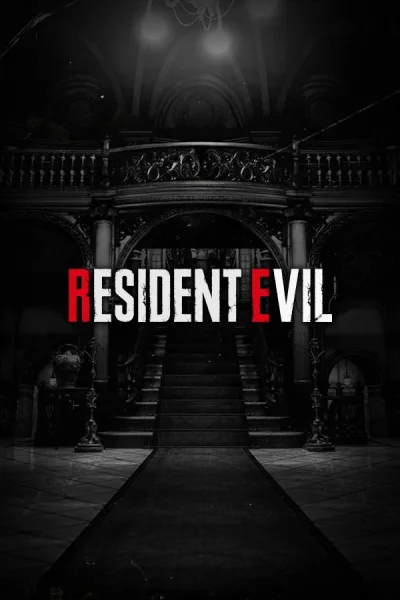
The first Resident Evil drops you into a world that doesn’t care about your comfort, only your mistakes. Its reputation grew for a reason: that tense, puzzle-first survival style helped turn horror into an action vocabulary, not just atmosphere. Even now, people talk about it the way they talk about weather, like something you endure and learn to read.
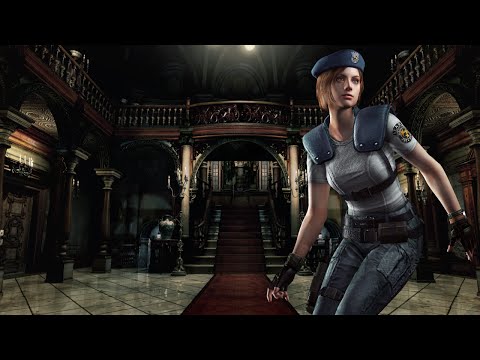
Set in the aftermath of a bio-weapon outbreak at the Arklay Mountains’ Spencer Mansion, the game follows elite operatives sent to investigate a facility that has stopped behaving like a building and started behaving like a trap. You explore pre-rendered rooms, manage limited ammo, solve environmental puzzles, and fight when diplomacy fails. The loop is simple but relentless: search, conserve, combine, backtrack, and hope the next door doesn’t ruin you. It also works as a “resource horror” lesson, where tension comes from budgets, not jump scares.
Capcom’s developer studio DNA shows up in the brisk clarity of its mechanics, even when the story and visuals feel like they’re still emerging from fog. The key game designer often associated with the original project is Shinji Mikami, whose influence is felt in how combat stays subordinate to survival decisions. Cinematic framing and music that leans into dread create a memorable pulse, but the real innovation is structural: it treats navigation as narrative, turning corridors into plot beats. As the series’ first major foothold, it establishes a template many later horror games borrow, sometimes without admitting where they learned it.
If you want horror with systems, not just scares, you’ll probably click quickly. Expect an average playtime that varies by difficulty and puzzle patience, and a difficulty curve that rewards careful routes, not button-mashing. It’s part of a series, so you can jump in historically, but the experience is best on platforms where you can comfortably replay the original pacing and controls; the game is available across multiple platforms through later releases and ports. No prerequisites are required, but a willingness to backtrack helps.
Login to share your review
Log in to join the discussion
No comments yet. Be the first to share your thoughts!
Log in to join the discussion
No comments yet. Be the first to share your thoughts!
Log in to join the discussion
No comments yet. Be the first to share your thoughts!
Log in to join the discussion
No comments yet. Be the first to share your thoughts!
Log in to join the discussion
No comments yet. Be the first to share your thoughts!
Comments (1)
Log in to join the discussion