
Lilly Wachowski

Director
Tome
From the editors, by Tome Updated on 20/01/2026

Genre cinema used to ask what is real, and a fight scene used to answer: Lilly Wachowski co-authored that combination.

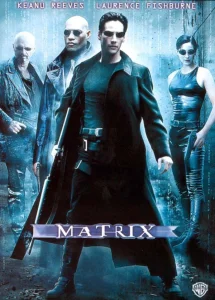
Wachowski co-wrote and co-directed The Matrix, which married martial arts choreography, cyberpunk design and a premise about simulated reality. The film demanded that a mainstream audience follow a philosophical argument while an action sequence was in progress, and the audience did. Few genre films of the period asked as much and got it.

Background and Influences

Comics, Hong Kong action cinema and Japanese animation are open and acknowledged influences, along with a longstanding interest in philosophy. The production trained its cast for months so that fights could be shot in long takes rather than assembled in the edit, a decision that shaped how action was filmed for years afterwards.

Style and Themes

Recurring subjects: constructed reality, systems that perpetuate themselves, and characters who must choose to become what they already are. The films are visually bold and emotionally sincere, refusing the ironic detachment common in large scale genre cinema of their era, and asking the audience to take an idea seriously.

Legacy and Influence

The visual grammar the film introduced reshaped action cinema, and its imagery entered everyday language. The work has also been widely read as an allegory of transition, a reading the filmmakers have since acknowledged directly.

Who Should Explore Their Work

For viewers who want spectacle and ideas held together. A natural entry point for anyone drawn to cyberpunk, and for viewers who prefer their science fiction earnest rather than knowing. The first film stands alone if the sequels do not appeal.

Best movies ranking by Lilly Wachowski

1
Compete in the Heroes' Tournament and win Amazon gift cards! Discover