
Lana Wachowski

Director
Tome
From the editors, by Tome Updated on 20/01/2026

Mainstream cinema learned to bend an action sequence from the film Lana Wachowski co-directed.

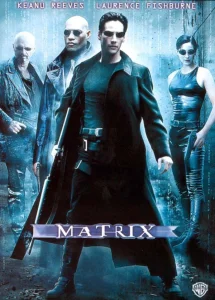
Her work pairs philosophical questions with kinetic spectacle. The Matrix combined martial arts choreography, cyberpunk iconography and a premise about constructed reality, and it reached an audience far beyond genre cinema. The ideas are not decoration; they drive the plot, and the film trusts a mainstream audience to follow an argument about perception while a fight is happening.

Background and Influences

Hong Kong action cinema, Japanese animation and comics inform the visual grammar directly, with wire work and fight choreography treated as craft rather than as filler. Actors were trained for months so that sequences could be held in long takes instead of hidden by editing. A long interest in philosophy and in questions of identity runs underneath the spectacle.

Style and Themes

Recurring concerns: reality as a construct, systems that reproduce themselves, and characters who must choose to become who they already are. The films favour bold production design and unapologetic sincerity, refusing the ironic distance common in blockbusters.

Legacy and Influence

The visual language she helped introduce reshaped action filmmaking for a decade, and its imagery entered ordinary speech to the point that the central metaphor is now used by people who have never seen the film. The work has also been widely read as an allegory of transition, a reading the filmmakers have since acknowledged.

Who Should Explore Their Work

For viewers who want ideas and action in the same frame, and who enjoy science fiction that argues a position rather than gesturing at one. A natural fit for anyone drawn to cyberpunk, and for viewers who like their genre cinema sincere.

Best movies ranking by Lana Wachowski

1
Compete in the Heroes' Tournament and win Amazon gift cards! Discover