


Great! But us Cyclops fans stay losing.
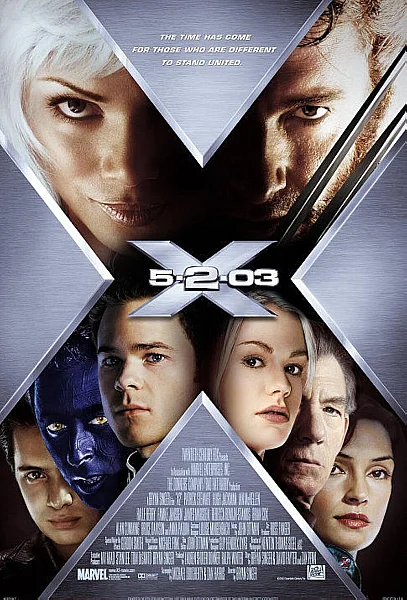
X-2 is just the first movie, but better in just about every single way. The allegory is stronger, the character work is better, the villain is better, and the plot is much stronger, though it is heavily based on one of the greatest X-Men comics of all time God Loves Man Kills.
Honestly outside of that though I don't have a whole lot to say, its an enjoyable movie with about the same quality of acting as the previous with all the people who turned in good performances last movie still being great this film, in particular Ian McKellen.
Now I will say what really pulls this back for me is yet another movie of shafting Cyclops hard, and also Charles Xavier gets like nothing to do, this is probably the easiest paycheck Patrick Stewart has ever gotten.
Honestly outside of that though I don't have a whole lot to say, its an enjoyable movie with about the same quality of acting as the previous with all the people who turned in good performances last movie still being great this film, in particular Ian McKellen.
Now I will say what really pulls this back for me is yet another movie of shafting Cyclops hard, and also Charles Xavier gets like nothing to do, this is probably the easiest paycheck Patrick Stewart has ever gotten.
8

Comments
Log in to join the discussion
No comments yet. Be the first to share your thoughts!