
Has great matchup with history ...u should try dis out
4

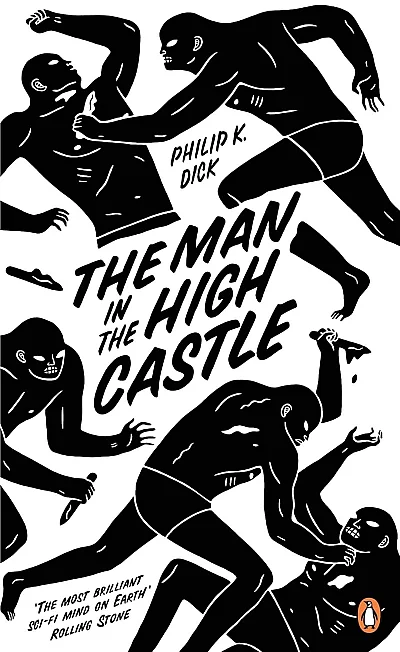
Few works of speculative fiction have aged as uneasily, or as relevantly, as this one. Philip K. Dick won the Hugo Award for Best Novel for The Man in the High Castle, one of the rare times genre fiction's most restless minds received formal recognition.
What separates this novel from standard alternate history is its texture. Dick does not simply redraw the map. He builds a world where the victors' ideology has seeped into daily life, into commerce, into how people carry themselves on the street, and then asks what authenticity means inside a fabricated reality.
The United States lost the Second World War. The country is now divided between Japanese and German spheres of influence, and the novel follows several characters navigating this occupation from the West Coast. There is no single hero and no clean resistance narrative. The tone is quiet, almost procedural, which makes the dread accumulate slowly.
Nested inside the story is a forbidden novel, read in secret by the characters, which imagines a world where the Allies won. Dick uses this recursive structure to interrogate the nature of historical truth itself.
Readers drawn to alternate history, Cold War-era American science fiction, or Dick's broader body of work will find this essential. It rewards patience: the pacing is deliberate, and the payoff is philosophical rather than plot-driven. Those expecting action or resolution will need to adjust their expectations, but those willing to sit with ambiguity will find the novel genuinely unsettling in ways that are hard to shake.
Few works of speculative fiction have aged as uneasily, or as relevantly, as this one. Philip K. Dick won the Hugo Award for Best Novel for The Man in the High Castle, one of the rare times genre fiction's most restless minds received formal recognition.
What separates this novel from standard alternate history is its texture. Dick does not simply redraw the map. He builds a world where the victors' ideology has seeped into daily life, into commerce, into how people carry themselves on the street, and then asks what authenticity means inside a fabricated reality.
The United States lost the Second World War. The country is now divided between Japanese and German spheres of influence, and the novel follows several characters navigating this occupation from the West Coast. There is no single hero and no clean resistance narrative. The tone is quiet, almost procedural, which makes the dread accumulate slowly.
Nested inside the story is a forbidden novel, read in secret by the characters, which imagines a world where the Allies won. Dick uses this recursive structure to interrogate the nature of historical truth itself.
Readers drawn to alternate history, Cold War-era American science fiction, or Dick's broader body of work will find this essential. It rewards patience: the pacing is deliberate, and the payoff is philosophical rather than plot-driven. Those expecting action or resolution will need to adjust their expectations, but those willing to sit with ambiguity will find the novel genuinely unsettling in ways that are hard to shake.
 Buy on Amazon
 Login to share your review

Log in to join the discussion


Comments (1)
Log in to join the discussion