
From the editors, by Tome Updated on 01/04/2026 Fairy Tales Have Never Been This Good at Keeping Secrets
There is something almost ironic about the origin of The Sisters Grimm: author Michael Buckley originally conceived the story as a television pitch, shelved it into a book series instead, then spent years turning down adaptation offers from people who, in his own words, missed the source material's "heart and soul." The version that finally made it to screen is the one he actually wanted. That backstory matters, because it shows in every frame.
The Story
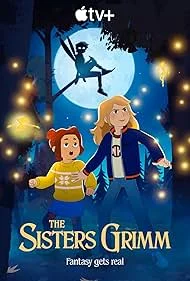
Two orphaned sisters, sharp-tongued Sabrina and wide-eyed Daphne Grimm, land in a strange town populated by figures ripped straight from the pages of fairy tales: dethroned princes, mischievous tricksters, giants with complicated agendas. The world is disorienting by design, and the girls must navigate it while chasing the truth about their missing parents. The series adapts the first volume of Buckley's book series, subtitled The Fairy-Tale Detectives, blending mystery plotting with fantasy world-building in a way that keeps both moving at pace. It is a story about agency as much as adventure, built around the idea that you are not simply a character in someone else's tale.
Animation and Artistic Direction
The production falls to Titmouse, Inc., the studio behind some of the most visually inventive American animation of the past decade, and they bring a deliberate storybook quality to the whole affair. Showrunner Amy Higgins pushed for a specific approach to color and lighting that feels illustrated rather than rendered, warm but never saccharine. Each episode reportedly took over a year in production, and that patience registers on screen: character expressions carry real emotional weight, and Prince Charming, refreshingly, looks like an actual person rather than a porcelain trophy. Composer Leo Birenberg rounds out the atmosphere with a score that knows when to underline a moment and when to step back.
The Ideal Audience
Six episodes make this a genuinely easy watch, short enough to finish in a weekend and tight enough that nothing feels padded. Younger viewers get a propulsive mystery with two sisters they can root for; adults who grew up on fairy tale retellings will find a show that understands why those stories stuck around in the first place. The tone stays mostly family-friendly, with just enough narrative complexity to keep older viewers honest. Available exclusively on Apple TV+.

Comments
Log in to join the discussion
No comments yet. Be the first to share your thoughts!