

One of the most ambitious FPS concepts in recent memory
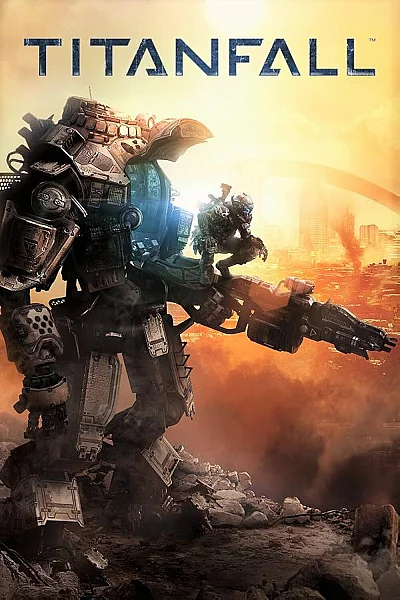
Titanfall 1 was groundbreaking back in 2014. The mix of mech-based combat and first-person combat felt so unique at the time, and I vividly remember queueing into my first multiplayer match with no idea of what to expect. The mix of classes and equipment was ahead of its time. Unlocking these upgrades made leveling up a satisfying experience instead of a chore.
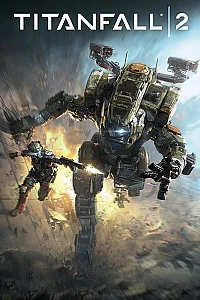
The biggest negative of Titanfall is the lack of a campaign, which essentially means there's no point in playing the game today. Servers were shut down in 2022, though I've seen various ways that you can still play. Given the success of Titanfall 2's campaign, it's a shame the original didn't have one.
The biggest negative of Titanfall is the lack of a campaign, which essentially means there's no point in playing the game today. Servers were shut down in 2022, though I've seen various ways that you can still play. Given the success of Titanfall 2's campaign, it's a shame the original didn't have one.
8
Comments
Log in to join the discussion
No comments yet. Be the first to share your thoughts!