On Rails and in the Dark: How Snowpiercer Turns a Train Ride into Social Theory
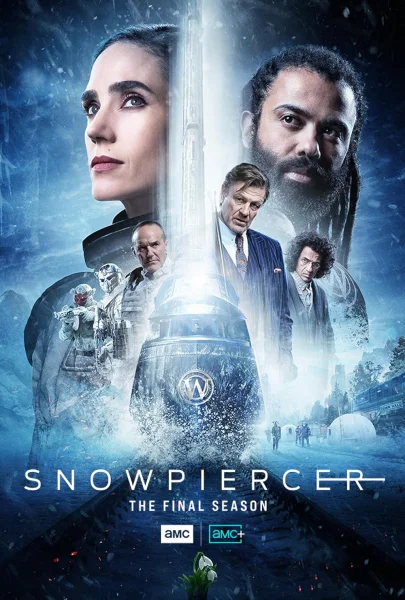
“Snowpiercer” arrives like a dare: take a single moving setting and make it feel bigger than the world outside the windows. The TV series continues the franchise started by the film, expanding it into a long-running, weekly pressure cooker where power always finds a way to reorganize itself. Netflix treats the premise as a factory, churning out seasons of escalating class war, surveillance, and cold-blooded survival.
The Concept
Trapped aboard a perpetually moving train after global catastrophe, the remaining humans live by strict hierarchy, where different “cars” function like separate nations with separate rules. Season 1 follows the rebellion gathering momentum, led by characters trying to break the system without turning into the thing they hate. The tone stays tense and kinetic, but it also carries that franchise’s dark humor, the kind that shows up when cruelty becomes routine. You feel the engine’s rhythm underneath every conversation, like the plot is strapped to the same rails.
The Series Identity
The standout is how the writing treats class not as scenery but as mechanism. Every episode asks who gets to define “order,” and the answers shift depending on who has access to food, information, and movement through the train. Casting leans into archetypes without flattening them, letting allies and enemies look painfully human rather than purely ideological. Production design does a lot of heavy lifting too: the train is both landscape and metaphor, turning corridors into corridors of control.
As an adaptation, it draws from the “Snowpiercer” universe associated with the franchise, translating cinematic dystopia into episodic momentum. If you like shows where politics plays out through logistics and intimidation, this one scratches that itch in a way that feels meaner and more intimate than most disaster dramas.
Viewing Guide
The series runs across multiple seasons, with episode lengths that typically fit the standard hour-long TV format. You can watch it on Netflix. Expect violence, bleak institutional themes, and frequent moral compromise, so it is not the kind of comfort viewing you do after a long day. The show is ongoing based on its continuing status in the franchise’s TV run, so check the latest season availability in your region.


Comments (2)
Log in to join the discussion