
Paradox Development Studio

Developer
Tome
From the editors, by Tome Updated on 20/01/2026

A simulation that generates stories nobody wrote: Paradox Development Studio builds systems and then steps back.

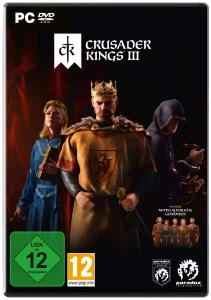
The Swedish studio makes grand strategy games that run in real time with a pause key. Crusader Kings III narrows the usual scale of the genre from nations to people, so the player governs a dynasty rather than a state and the succession crisis after a duke's death matters more than any battle.

Background and Influences

The studio grew out of historical board game design, and the influence remains visible in its map interfaces and its tolerance for complexity. Its games are supported for years after release through successive expansions, an approach that has become a defining part of its identity and a recurring subject of debate among its own players.

Style and Themes

Recurring subjects: inheritance, legitimacy, and the gap between formal authority and actual power. Characters have traits, ambitions and grudges that the simulation resolves without narrative direction, which is how a player ends up with a story about a scheming chancellor nobody scripted. Presentation is austere, with information density prioritised over spectacle.

Legacy and Influence

The studio defined grand strategy as a commercial category rather than a hobbyist one, and its character driven approach to the form opened it to players who had no interest in managing supply lines. Its games are widely used as informal introductions to medieval political history, and their emergent incidents circulate as stories in their own right.

Who Should Explore Their Work

For players who enjoy reading systems and inventing the narrative themselves. Suited to anyone who likes political intrigue more than tactics. Expect a steep opening, an unapologetic interface and a great deal of pausing.

Best video games ranking by Paradox Development Studio

1
Compete in the Heroes' Tournament and win Amazon gift cards! Discover