
Masashi Kishimoto

Author Illustrator
Tome
From the editors, by Tome Updated on 20/01/2026

An orphan nobody wants, a village built on secrets: Masashi Kishimoto made rejection the engine of an adventure series.

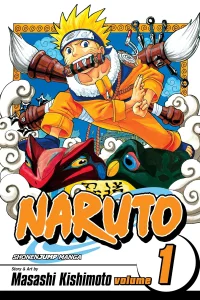
Naruto follows a boy shunned by his own community who decides the answer is to make that community love him anyway. Kishimoto keeps the fights spectacular while the real conflict stays social. The ninja setting works less as historical fantasy than as a machine for producing broken families.

Background and Influences

He has been open about the mark left on him by the action manga and animation he grew up with, and about the difficulty of drawing to a weekly deadline. That pressure shows in the rhythm: arcs escalate quickly, and the art sharpens noticeably during the sequences he clearly wanted to draw. The village itself is designed with enough internal politics that its failures feel structural rather than convenient.

Style and Themes

Fights are structured like arguments, with each technique answering the previous one. The recurring themes are inherited hatred, mentorship, and the cost of being useful to a village that treats people as tools. Rivalry drives more of the story than romance, and forgiveness is usually offered before it is earned.

Legacy and Influence

The series became one of the pillars of its generation of shonen and its vocabulary, from hand signs to ranked missions, spread far beyond it. Its animated adaptation carried the work to a global audience and made its imagery instantly recognisable even to people who never read a chapter.

Who Should Explore Their Work

For readers who want long form action with an emotional core and who enjoy watching a cast grow up over hundreds of chapters. Expect flashbacks, and expect the story to argue with itself about revenge rather than settle the question.

Best manga ranking by Masashi Kishimoto

1
Compete in the Heroes' Tournament and win Amazon gift cards! Discover