
Hans Zimmer

Composer
Tome
From the editors, by Tome Updated on 20/01/2026

Electronics and orchestra treated as one instrument rather than two: Hans Zimmer rebuilt the blockbuster score from the low end.

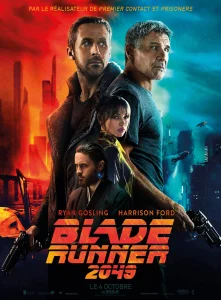
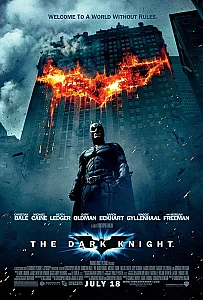
Zimmer composes film music built on texture, pulse and sustained tension. The Dark Knight reduces a villain's theme to a single rising note held past the point of comfort. Interstellar puts a church organ at the centre of a space film, and Blade Runner 2049 works in slabs of synthesised sound rather than in melody.

Background and Influences

He came from playing keyboards in bands and producing electronic pop before scoring, and he has never separated that background from orchestral writing. He built a studio operation that trains and collaborates with other composers, which has spread his methods widely. His scores often begin from a sound design idea rather than from a tune.

Style and Themes

Recurring subjects: time and its pressure, moral weight rendered as low frequency, and anxiety produced through rhythm rather than dissonance. He favours ostinato figures, minimal harmonic movement and enormous dynamic range. Silence and near silence are used deliberately, so the loud passages register as events.

Legacy and Influence

His approach reshaped the sound of large scale cinema, to the point that his signature devices are imitated across the industry and in trailers specifically. His collaborations with several major directors have produced scores that are inseparable from the films' identities, and his live concert performances have brought film music to arena audiences.

Who Should Explore Their Work

For listeners who want scores that function as sound design as much as composition. Suited to anyone interested in electronic music meeting orchestral writing, and to viewers who notice tension building before anything on screen has happened.

Best movies ranking by Hans Zimmer

3
Compete in the Heroes' Tournament and win Amazon gift cards! Discover