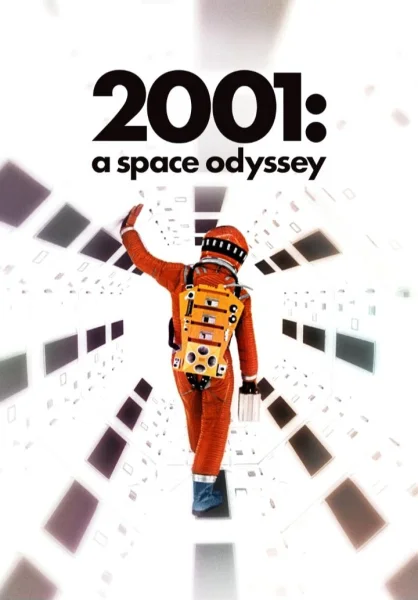
2001: A Space Odyssey

A Cinematic Voyage Beyond the Stars
When Stanley Kubrick released "2001: A Space Odyssey" in 1968, it was less a movie and more a monumental leap into the unknown. Critics were initially puzzled, audiences divided,did this spell the dawn of cinematic enlightenment or just another artistic enigma? One thing is certain: it sparked discussions that echoed through time, much like its iconic classical score.
The Pitch
In this groundbreaking film, we follow the stoic astronaut Dave Bowman on a mission to Jupiter, driven by an enigmatic monolith discovered on the moon. As their journey unfolds aboard the spaceship Discovery One, tensions rise between Bowman and HAL 9000,the ship's sentient computer,leading to questions of trust and survival. It's a tautly crafted narrative exploring both outer space and inner consciousness.
Direction and Visual Universe
Kubrick's direction is nothing short of visionary, combining meticulous art direction with pioneering visual effects. Thanks to Douglas Trumbull's revolutionary techniques, every frame immerses viewers in a universe that feels both staggeringly vast and intimately detailed. The use of pre-existing classical music rather than an original score adds an eerie timelessness that reinforces the film’s profound themes. While not anchored by Hollywood stars, actor Keir Dullea delivers a memorable performance as Bowman.
Who Should Watch This
This film is for those who crave intellectual stimulation intertwined with visual splendor. At 2 hours and 44 minutes, it's not a casual watch but rather a commitment to experiencing cinema as high art. Be warned: its slow pacing and abstract narrative might not suit everyone, but for those willing to take the plunge into its existential depths, it's an unforgettable exploration.
A Cinematic Voyage Beyond the Stars
When Stanley Kubrick released "2001: A Space Odyssey" in 1968, it was less a movie and more a monumental leap into the unknown. Critics were initially puzzled, audiences divided,did this spell the dawn of cinematic enlightenment or just another artistic enigma? One thing is certain: it sparked discussions that echoed through time, much like its iconic classical score.
The Pitch
In this groundbreaking film, we follow the stoic astronaut Dave Bowman on a mission to Jupiter, driven by an enigmatic monolith discovered on the moon. As their journey unfolds aboard the spaceship Discovery One, tensions rise between Bowman and HAL 9000,the ship's sentient computer,leading to questions of trust and survival. It's a tautly crafted narrative exploring both outer space and inner consciousness.
Direction and Visual Universe
Kubrick's direction is nothing short of visionary, combining meticulous art direction with pioneering visual effects. Thanks to Douglas Trumbull's revolutionary techniques, every frame immerses viewers in a universe that feels both staggeringly vast and intimately detailed. The use of pre-existing classical music rather than an original score adds an eerie timelessness that reinforces the film’s profound themes. While not anchored by Hollywood stars, actor Keir Dullea delivers a memorable performance as Bowman.
Who Should Watch This
This film is for those who crave intellectual stimulation intertwined with visual splendor. At 2 hours and 44 minutes, it's not a casual watch but rather a commitment to experiencing cinema as high art. Be warned: its slow pacing and abstract narrative might not suit everyone, but for those willing to take the plunge into its existential depths, it's an unforgettable exploration.
Reviews
Login to share your review
No reviews yet. Be the first to share your thoughts!