




The World That Rewards Every Return
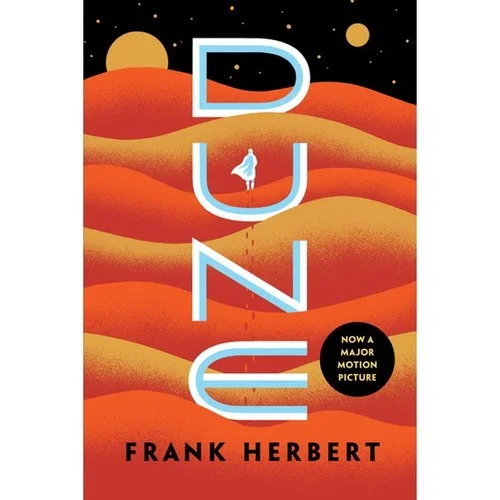
I have lost count of how many times I have returned to Arrakis, and each time I arrive as a slightly different reader, finding new layers I somehow missed before.
Frank Herbert built something that should not be possible in a single novel: a world so dense with ecological, political, religious, and psychological architecture that it feels genuinely inhabited rather than constructed. As someone who has spent decades worldbuilding myself, I recognize the obsessive craft behind every detail. The Fremen culture is not window dressing. The Bene Gesserit are not simply witches with powers. The spice economy is not just a plot device. Every element serves the whole, and Herbert trusted his readers enough never to explain what he could simply show.
But Herbert was doing something far more dangerous than worldbuilding. He was holding up a mirror.
When I first read Dune in the late 1970s, it felt like visionary science fiction. Reading it today, it feels uncomfortably like history. Spice is oil, and anyone paying attention to the last half century of geopolitics, religious radicalization, resource wars, and the manipulation of entire populations through carefully constructed mythology will recognize the terrain immediately. Herbert understood, with the clarity of a genuine genius, how economics and religion do not merely coexist with politics. They become each other, fusing into forces that reshape cultures and rewrite human destinies.
The philosophy embedded in Paul's journey sits with you long after the final page. Questions of destiny, free will, the burden of prescience, the machinery of messianic myth, these are not decorations on an adventure story. They are the story. Herbert was asking hard questions about leadership, manipulation, and the dangerous seduction of following a chosen one, decades before that conversation became fashionable, and decades before we would watch it play out in real time on a global stage.
On the twelfth read, you stop following the plot and start watching the prophecy. That is when Dune stops being a favorite and becomes a permanent companion, and a warning.
Frank Herbert built something that should not be possible in a single novel: a world so dense with ecological, political, religious, and psychological architecture that it feels genuinely inhabited rather than constructed. As someone who has spent decades worldbuilding myself, I recognize the obsessive craft behind every detail. The Fremen culture is not window dressing. The Bene Gesserit are not simply witches with powers. The spice economy is not just a plot device. Every element serves the whole, and Herbert trusted his readers enough never to explain what he could simply show.
But Herbert was doing something far more dangerous than worldbuilding. He was holding up a mirror.
When I first read Dune in the late 1970s, it felt like visionary science fiction. Reading it today, it feels uncomfortably like history. Spice is oil, and anyone paying attention to the last half century of geopolitics, religious radicalization, resource wars, and the manipulation of entire populations through carefully constructed mythology will recognize the terrain immediately. Herbert understood, with the clarity of a genuine genius, how economics and religion do not merely coexist with politics. They become each other, fusing into forces that reshape cultures and rewrite human destinies.
The philosophy embedded in Paul's journey sits with you long after the final page. Questions of destiny, free will, the burden of prescience, the machinery of messianic myth, these are not decorations on an adventure story. They are the story. Herbert was asking hard questions about leadership, manipulation, and the dangerous seduction of following a chosen one, decades before that conversation became fashionable, and decades before we would watch it play out in real time on a global stage.
On the twelfth read, you stop following the plot and start watching the prophecy. That is when Dune stops being a favorite and becomes a permanent companion, and a warning.
36


Comments (1)
Log in to join the discussion