Code Lyoko
Code Lyoko and the joy of punching through the screen
There is a specific kind of late-2000s electricity to Code Lyoko: kids in sneakers, a laptop glow, and the uneasy feeling that the internet might bite back. By 2007, it already knew what TV needed to be again, fast, scrappy, and just nerdy enough to make you lean closer.
It also came with a production identity people remember from France: a show built for that international classroom of imagination, where “online” is a place you can fear, explore, and fight in.
The Story
Code Lyoko is a TV series that centers on a group of students who discover a hidden dimension called Lyoko. When a shadowy system threatens to trap people in digital paralysis, they synchronize with the real world, then jump into Lyoko to disrupt the threat. The conflict plays like a mix of adventure and strategy: solve the puzzle, chase the signal, then hit the enemy before time runs out. It is not presented as a faithful adaptation of a manga, light novel, or game in widely documented references, so treat it primarily as an original TV concept from its era.
Animation and Artistic Direction
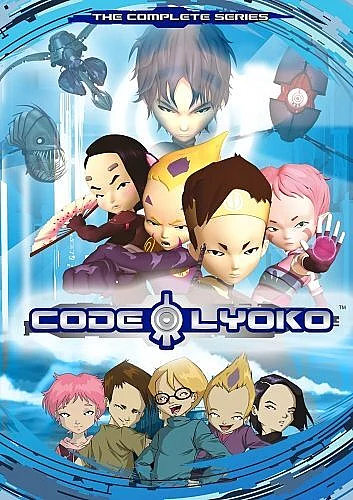
Visually, the show balances clean character designs with a videogame-like logic. Lyoko itself looks like a stylized digital landscape, with geometry and color that feel designed for readability rather than realism. The animation favors snappy cuts and readable motion, which helps the action stay legible during frantic sequences. Even when the visuals are budget-minded, the direction commits to the conceit: the screen is not a metaphor, it is a set.
The Ideal Audience
This is for viewers who liked cartoons that respected their intelligence. If you enjoy science-fiction rules, team-based problem solving, and kid heroes with real-world stakes, you will probably click with it.
Format: TV series. For newcomers, it works best if you are willing to embrace its early-2000s pacing; it is less of a slow-burn character drama and more of a “case of the week with consequences” vibe. Mature content is generally light, but expect some suspense and darker system-themed moments.
Code Lyoko and the joy of punching through the screen
There is a specific kind of late-2000s electricity to Code Lyoko: kids in sneakers, a laptop glow, and the uneasy feeling that the internet might bite back. By 2007, it already knew what TV needed to be again, fast, scrappy, and just nerdy enough to make you lean closer.
It also came with a production identity people remember from France: a show built for that international classroom of imagination, where “online” is a place you can fear, explore, and fight in.
The Story
Code Lyoko is a TV series that centers on a group of students who discover a hidden dimension called Lyoko. When a shadowy system threatens to trap people in digital paralysis, they synchronize with the real world, then jump into Lyoko to disrupt the threat. The conflict plays like a mix of adventure and strategy: solve the puzzle, chase the signal, then hit the enemy before time runs out. It is not presented as a faithful adaptation of a manga, light novel, or game in widely documented references, so treat it primarily as an original TV concept from its era.
Animation and Artistic Direction
Visually, the show balances clean character designs with a videogame-like logic. Lyoko itself looks like a stylized digital landscape, with geometry and color that feel designed for readability rather than realism. The animation favors snappy cuts and readable motion, which helps the action stay legible during frantic sequences. Even when the visuals are budget-minded, the direction commits to the conceit: the screen is not a metaphor, it is a set.
The Ideal Audience
This is for viewers who liked cartoons that respected their intelligence. If you enjoy science-fiction rules, team-based problem solving, and kid heroes with real-world stakes, you will probably click with it.
Format: TV series. For newcomers, it works best if you are willing to embrace its early-2000s pacing; it is less of a slow-burn character drama and more of a “case of the week with consequences” vibe. Mature content is generally light, but expect some suspense and darker system-themed moments.

Reviews
Login to share your review
A French-made classic
Comments (2)
Log in to join the discussion
Comments
Log in to join the discussion
No comments yet. Be the first to share your thoughts!