


Traducido del inglés
Un juego narrativo sólido de 7/10
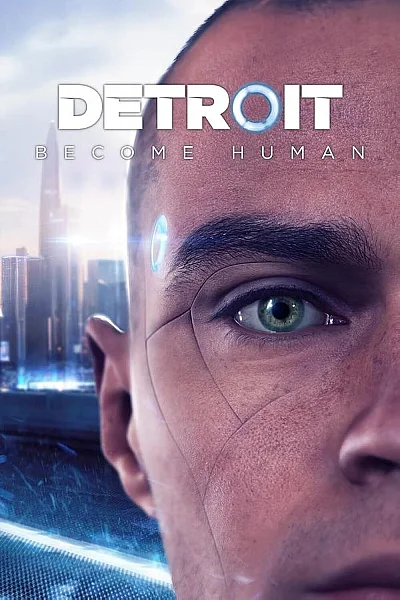
Quedé fascinado con Detroit: Become Human y cómo sus tres historias separadas se entrelazan para formar algo coherente. El tiempo ha disminuido mi opinión del juego, pero aún se lo recomendaría a cualquiera que disfrute de juegos narrativos con jugabilidad muy ligera (al estilo de los juegos de Telltale). Los gráficos se ven fenomenales para su edad, y los actores de voz fueron un punto destacado.
En el lado negativo, encontré que los ángulos de cámara eran frustrantes a veces. Además, los tirones emocionales de la historia eran predecibles y a menudo no lograban progresar más allá de lo superficial. Al final, el tema principal del juego es que "otras clases/razas/seres también son personas". Sentí que era un poco obvio y demasiado directo.
En el lado negativo, encontré que los ángulos de cámara eran frustrantes a veces. Además, los tirones emocionales de la historia eran predecibles y a menudo no lograban progresar más allá de lo superficial. Al final, el tema principal del juego es que "otras clases/razas/seres también son personas". Sentí que era un poco obvio y demasiado directo.
22
Comentarios (1)
Inicia sesión para participar