

Übersetzt aus Englisch
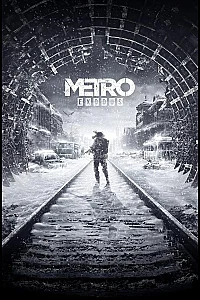
Eines der treuesten Sequels, die ich gespielt habe
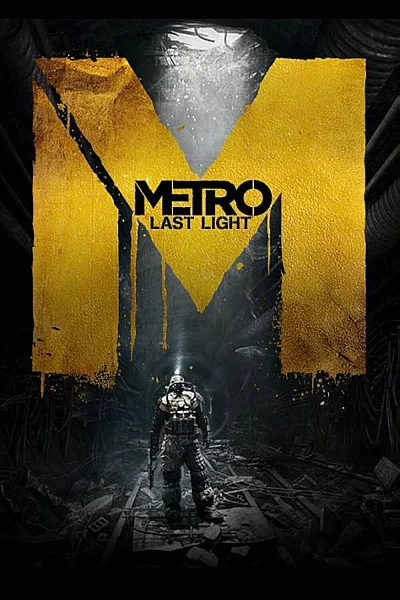
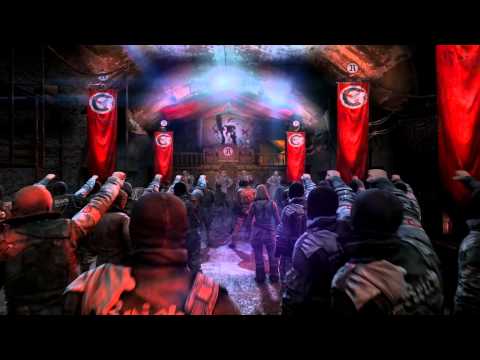
Da Metro 2033 so gut war, war es eine schwere Aufgabe, einen würdigen Nachfolger zu schaffen. Jedoch hat Last Light das wirklich hinbekommen. Die Entwickler haben die dunkle und klaustrophobische Atmosphäre des Originals beibehalten und noch verstärkt.
In vielerlei Hinsicht hat mir dieses Spiel sogar noch mehr Spaß gemacht als Metro 2033. Zum einen wurden einige wirklich unvergessliche Charaktere eingeführt und Artyom in eine Beziehung gebracht. Das ließ die Einsätze etwas höher wirken. Es hatte auch eine fesselndere Geschichte, die mich an das Ende von Ender's Game und das ethische Dilemma des Protagonisten erinnerte, nachdem er fast eine ganze Alien-Spezies ausgelöscht hatte. Aber abgesehen von diesen Überlegungen war das Gameplay verfeinert und die Grafik und Systeme wirkten moderner.
In vielerlei Hinsicht hat mir dieses Spiel sogar noch mehr Spaß gemacht als Metro 2033. Zum einen wurden einige wirklich unvergessliche Charaktere eingeführt und Artyom in eine Beziehung gebracht. Das ließ die Einsätze etwas höher wirken. Es hatte auch eine fesselndere Geschichte, die mich an das Ende von Ender's Game und das ethische Dilemma des Protagonisten erinnerte, nachdem er fast eine ganze Alien-Spezies ausgelöscht hatte. Aber abgesehen von diesen Überlegungen war das Gameplay verfeinert und die Grafik und Systeme wirkten moderner.
11
Kommentare
Melde dich an, um mitzudiskutieren
No comments yet. Be the first to share your thoughts!