
Nota de la redacción, por Tome Actualizado el 19/04/2026 Oxygen, but for gamers: obsession gets a sequel
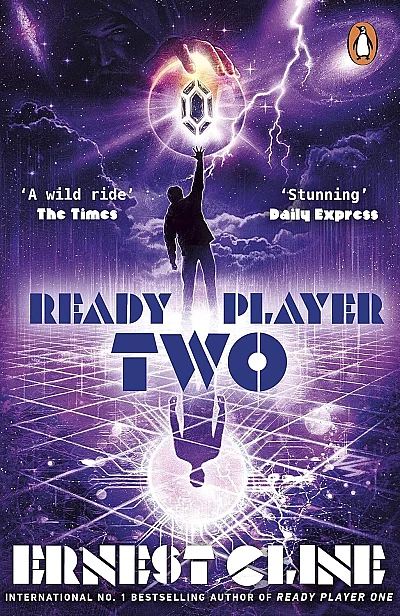
The night glow is the first thing you feel: a screen that hums like a neon aquarium while the real world coughs in the background. In Ready Player Two, the escape hatch of virtual life starts to feel less like salvation and more like a vending machine for adrenaline. It keeps one foot in nostalgia and the other in the messiness of living.
The Story
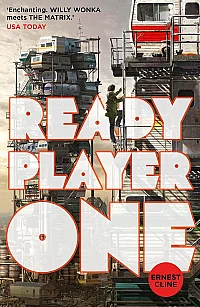
Our protagonist, Wade Watts, is pulled back into the relentless machinery of an expanded world, already seen in Ready Player One, where choices echo across millions of logged-in lives. The stakes shift from simple survival to control, influence, and the kind of power that hides behind “play.” As new threats surface, Wade and his allies navigate both the spectacle of virtual culture and the bruised consequences that spill into everyday reality. The book’s momentum rides on puzzles, alliances, and the dread of seeing obsession weaponized.
What Makes This Book Unique
It reads like someone built a roller coaster out of internet lore, then decided the best time to pull the restraints is when you are already screaming. The prose is fast, occasionally jagged, and engineered to keep you moving, even when the plot leans on recognition of games and pop culture. Theme-wise, it wrestles with community versus manipulation, and fame versus freedom, returning to the question of what “winning” even means when the scoreboard owns you. If the original hammered on the thrill of the hunt, this one turns up the volume on consequences and cynicism, with more emphasis on how systems recruit your attention.
Who Should Read This
Pick this up if you like immersive game-world storytelling, pop-culture density, and stakes that feel social as much as personal. You can read it without prior knowledge, but it lands harder when you already understand what it means to live in this author’s version of nostalgia. Fair warning: it is long, packed with references, and sometimes more interested in momentum than in emotional subtlety.

Comentarios
Inicia sesión para participar
No comments yet. Be the first to share your thoughts!